
New Paragraph
April 27, 2026
Senior Sleep & Safety: Why Nights Are the Most Dangerous Time
Many families focus on daytime care—but nighttime is often when seniors are most at risk.
Falls, confusion, and wandering frequently occur after dark, making sleep safety a critical concern.
Why Nighttime Is Risky
- Reduced visibility
- Fatigue and disorientation
- Frequent bathroom trips
- Medication side effects
- Cognitive conditions like dementia
Signs of Nighttime Risk
- Wandering
- Restlessness
- Insomnia
- Nighttime falls
- Increased confusion
How In-Home Care Helps
Caregivers can:
- Establish bedtime routines
- Assist with nighttime mobility
- Monitor for safety
- Provide overnight supervision
- Peace of Mind Around the Clock
Safety doesn’t stop at bedtime.
With the right support, seniors can rest comfortably—and families can sleep peacefully knowing their loved ones are safe.

Aging skin is thinner and more fragile, making seniors more vulnerable to bruises, skin tears, and pressure injuries. Learn practical prevention tips and how in-home care helps keep older adults safe and comfortable.

Urinary tract infections in seniors often present with unusual symptoms like confusion, fatigue, and falls instead of pain. Learn the warning signs, risk factors, prevention tips, and how in-home care can help older adults stay healthy and safe.

Learn how medications may cause dizziness and increase fall risk in seniors. Discover warning signs, prevention tips, and how in-home care can support safer aging at home.

Learn the difference between heat stroke and heat exhaustion in seniors, recognize the warning signs, and discover practical summer safety tips to help aging loved ones stay healthy and independent at home.

Learn the signs of poor nutrition in seniors and how in-home care supports healthier eating habits.

Learn common medication mistakes seniors make and how caregivers help improve medication safety at home.

Learn why older men often avoid asking for help and how in-home care supports healthier, safer aging.

Learn why seniors become isolated during the summer months and how families and caregivers can help improve social connection and well-being.
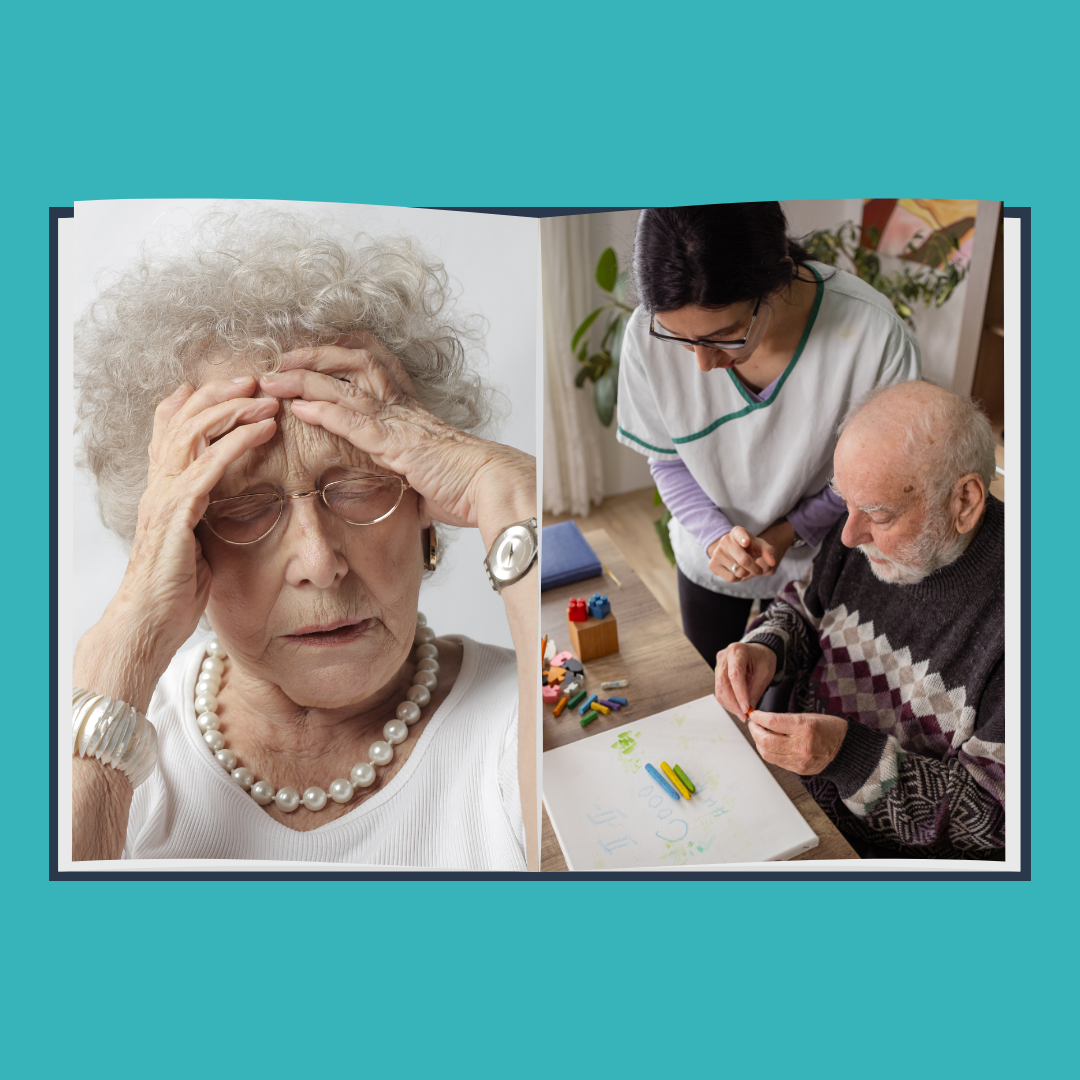
Learn the early signs of Alzheimer's disease, how it differs from normal aging, and how in-home care helps seniors maintain safety and independence.

Learn how to balance independence and safety for aging loved ones and how in-home care in Virginia helps seniors stay at home longer.