New Paragraph
Why Seniors Become More Isolated in the Summer—and How Families Can Help

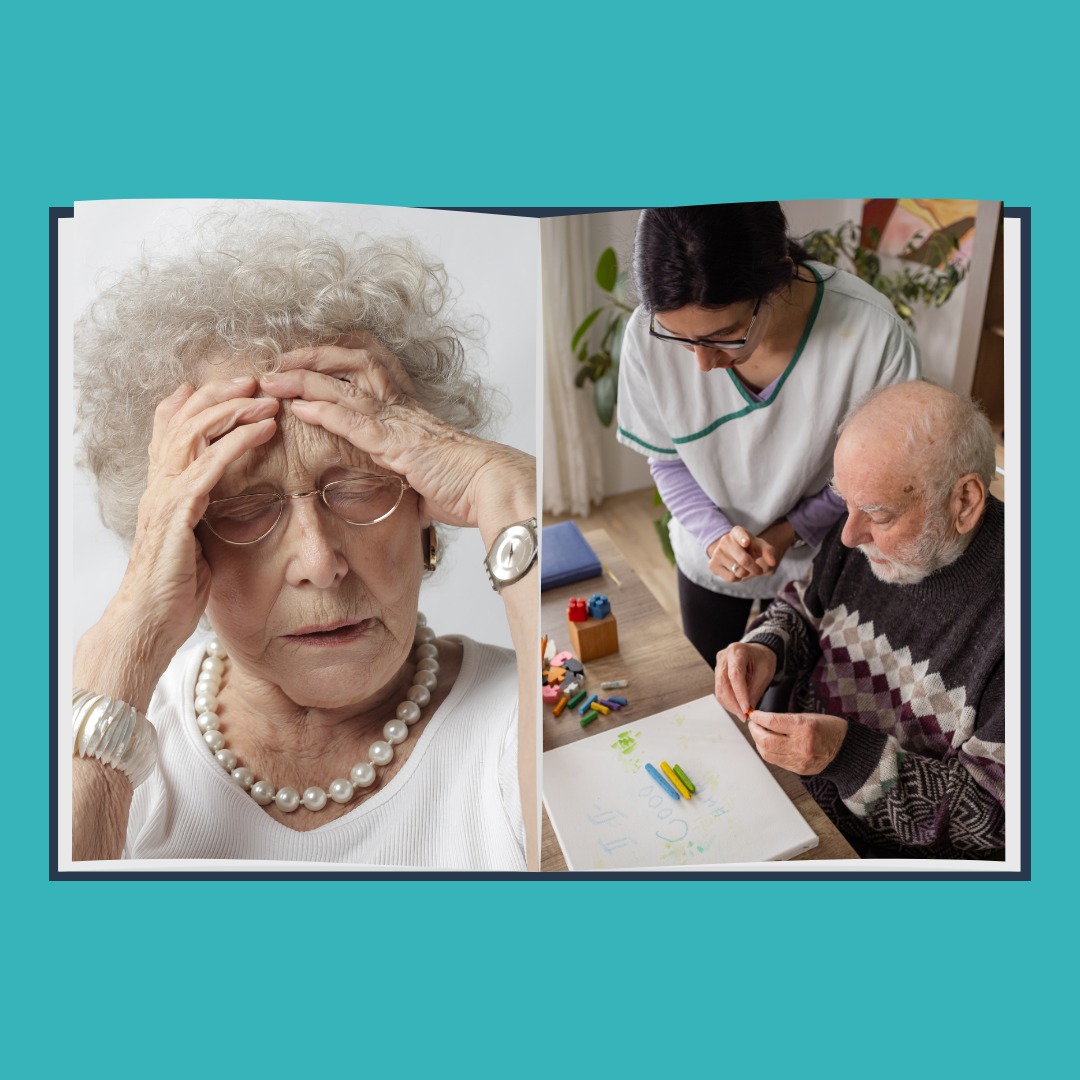
Many people associate summer with vacations, family gatherings, and outdoor activities. Yet for many older adults, summer can be one of the loneliest times of the year.
While family members may be busy with travel, children's activities, and work schedules, seniors often find themselves spending more time alone. This isolation can have serious consequences for both physical and mental health.
Understanding why seniors become isolated—and how families can help—can significantly improve quality of life and overall well-being.
Understanding Senior Isolation
Social isolation occurs when a person has limited contact with family, friends, or community activities.
It is different from loneliness, although the two often occur together.
A senior may be surrounded by people and still feel lonely, while another may live alone but remain socially connected.
The concern arises when meaningful social interaction becomes limited over time.
Why Summer Can Increase Isolation
Family Schedules Change
Summer often brings:
- Vacations
- Camps
- Family travel
- Busy schedules
While younger family members become more active, seniors may experience fewer visits and less interaction.
Mobility Challenges
High temperatures can make it difficult for seniors to leave home.
Heat can worsen:
- Heart conditions
- Respiratory issues
- Fatigue
- Dehydration
As a result, many older adults stay indoors for extended periods.
Loss of Social Networks
Many seniors have experienced:
- Retirement
- Loss of friends
- Loss of spouses
- Reduced community involvement
These changes can make social opportunities increasingly limited.
The Health Effects of Isolation
Research continues to show that isolation impacts health in significant ways.
Potential effects include:
Depression
Persistent loneliness increases the risk of depression and anxiety.
Cognitive Decline
Social engagement helps stimulate the brain. Isolation may contribute to faster cognitive decline.
Increased Health Risks
Studies have linked social isolation to:
- High blood pressure
- Heart disease
- Poor sleep
- Weakened immune function
Reduced Physical Activity
Seniors who spend more time alone may be less motivated to stay active.
Signs a Senior May Be Isolated
Families should watch for:
- Frequent statements about being lonely
- Increased television viewing
- Lack of participation in hobbies
- Withdrawal from phone calls
- Declining personal care
- Changes in mood
These signs often develop gradually.
How Families Can Help
Schedule Consistent Contact
Regular phone calls, video chats, and visits provide emotional reassurance.
Encourage Social Activities
Community programs, faith groups, and senior centers offer opportunities for engagement.
Involve Seniors in Family Events
Even small activities help seniors feel connected and valued.
Support Physical Activity
Walks, stretching, and outdoor time can improve both mood and physical health.
The Role of Companion Care
Companionship is one of the most valuable forms of care.
Professional caregivers provide:
- Meaningful conversation
- Shared activities
- Emotional support
- Encouragement to stay engaged
Companion care helps seniors maintain social connections while reducing feelings of loneliness.
Staying Connected Matters
Social connection is not a luxury—it is a critical component of healthy aging.
Families who prioritize engagement often see improvements in mood, confidence, and overall well-being.
At Hope and Recovery Care, we believe that companionship is care. By supporting seniors emotionally as well as physically, we help create healthier, happier lives at home.