
New Paragraph
September 29, 2025
Anemia in Seniors: Causes, Symptoms, and How Caregivers Can Help
Anemia is one of the most common blood disorders in seniors, yet it often goes undiagnosed. It occurs when the body doesn’t have enough healthy red blood cells to carry oxygen, leading to fatigue and other complications.
Causes of Anemia in Seniors:
- Iron deficiency (often from poor diet or blood loss)
- Vitamin B12 or folate deficiency
- Chronic diseases (kidney disease, cancer, arthritis)
- Side effects of certain medications
- Bone marrow disorders
Symptoms of Anemia:
- Fatigue and weakness
- Dizziness or fainting
- Pale or yellowish skin
- Shortness of breath
- Cold hands and feet
- Chest pain or irregular heartbeat
Complications:
- Increased fall risk due to dizziness
- Worsening of chronic conditions
- Reduced independence and activity levels
Care and Management:
- Diagnosis – Blood tests to determine cause.
- Nutrition – Iron-rich foods (meat, beans, leafy greens) and vitamin supplements.
- Medical Care – Medications or procedures if necessary.
- Caregiver Support – Helping with meal planning, medication adherence, and monitoring symptoms.
Anemia can be managed effectively with proper treatment and support. By staying proactive, families and caregivers can help seniors maintain their health and energy.

Aging skin is thinner and more fragile, making seniors more vulnerable to bruises, skin tears, and pressure injuries. Learn practical prevention tips and how in-home care helps keep older adults safe and comfortable.

Urinary tract infections in seniors often present with unusual symptoms like confusion, fatigue, and falls instead of pain. Learn the warning signs, risk factors, prevention tips, and how in-home care can help older adults stay healthy and safe.

Learn how medications may cause dizziness and increase fall risk in seniors. Discover warning signs, prevention tips, and how in-home care can support safer aging at home.
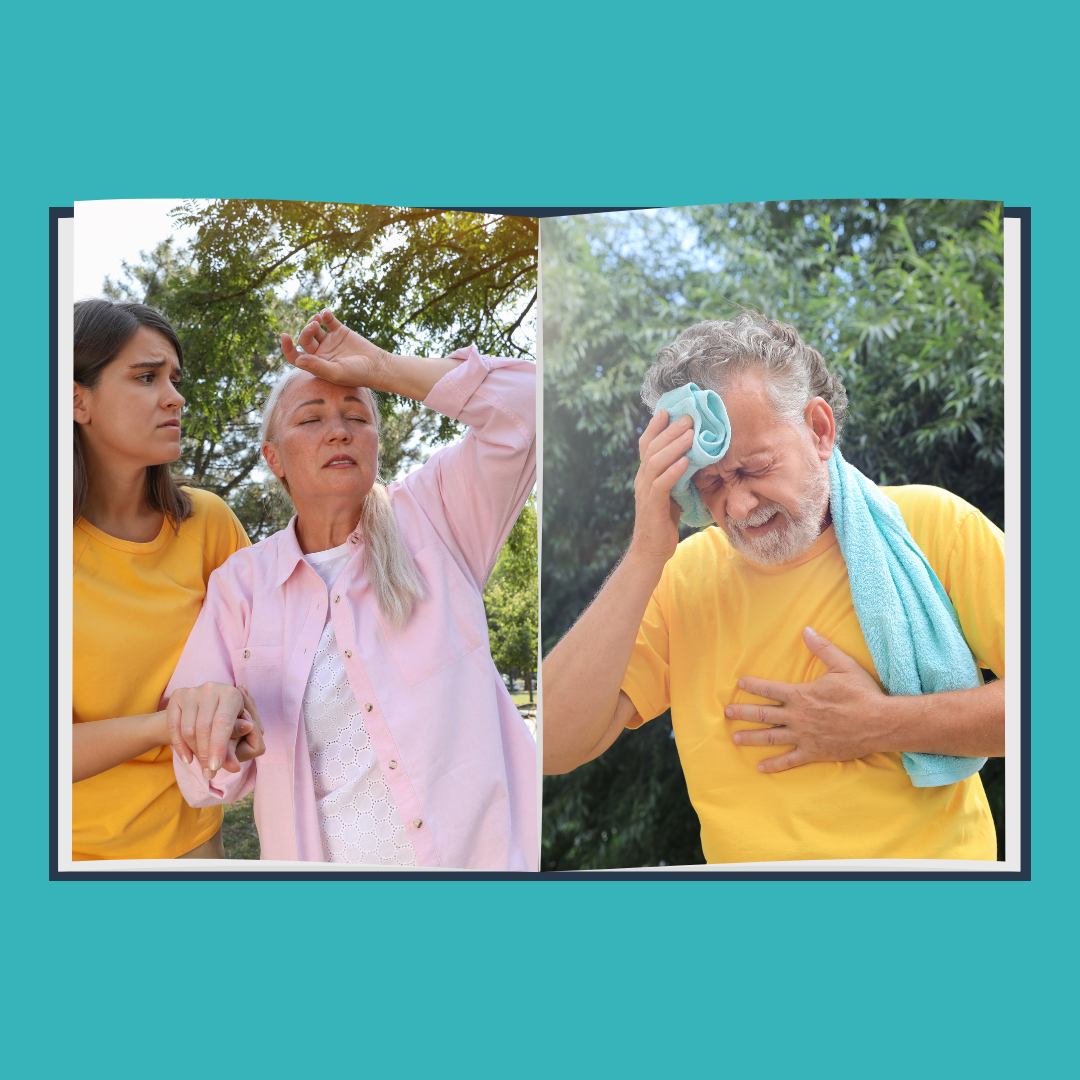
Learn the difference between heat stroke and heat exhaustion in seniors, recognize the warning signs, and discover practical summer safety tips to help aging loved ones stay healthy and independent at home.

Learn the signs of poor nutrition in seniors and how in-home care supports healthier eating habits.

Learn common medication mistakes seniors make and how caregivers help improve medication safety at home.

Learn why older men often avoid asking for help and how in-home care supports healthier, safer aging.

Learn why seniors become isolated during the summer months and how families and caregivers can help improve social connection and well-being.

Learn the early signs of Alzheimer's disease, how it differs from normal aging, and how in-home care helps seniors maintain safety and independence.

Learn how to balance independence and safety for aging loved ones and how in-home care in Virginia helps seniors stay at home longer.