
New Paragraph
February 9, 2026
Heart Disease in Older Adults: Why Ongoing Care at Home Is Critical
Heart disease
remains the leading cause of death among seniors in the United States. Conditions such as congestive heart failure, high blood pressure, and coronary artery disease require daily attention, lifestyle adjustments, and careful monitoring.
For families, managing heart disease at home can feel overwhelming—especially when symptoms are subtle or inconsistent.
Common Challenges Seniors Face
• Fatigue and shortness of breath
• Swelling in legs or feet
• Dizziness or balance issues
• Difficulty managing medications
• Anxiety about physical activity
Even small changes in routine or missed medications can lead to serious complications or hospitalization.
Signs a Loved One May Need Extra Support
• Frequent hospital or emergency room visits
• Forgetting medications or taking incorrect doses
• Difficulty preparing heart-healthy meals
• Trouble following medical instructions
• Increased weakness or confusion
How In-Home Care Supports Heart Health
Professional caregivers help by:
• Providing medication reminders
• Assisting with daily routines and mobility
• Preparing heart-healthy meals
• Monitoring changes in condition
• Offering companionship and emotional reassurance
Consistent in-home care reduces hospital readmissions, improves adherence to treatment plans, and helps seniors live longer, healthier lives at home.
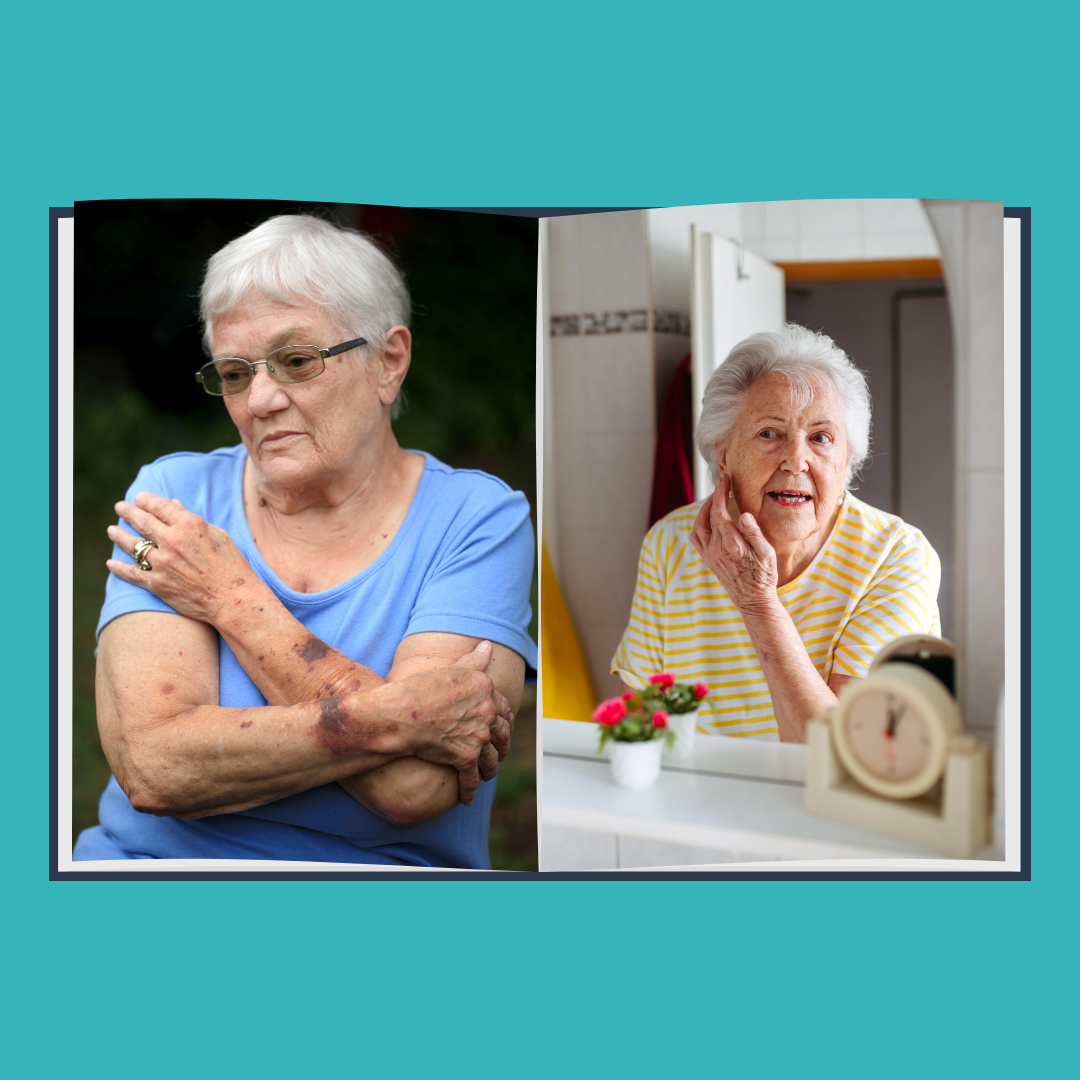
Aging skin is thinner and more fragile, making seniors more vulnerable to bruises, skin tears, and pressure injuries. Learn practical prevention tips and how in-home care helps keep older adults safe and comfortable.

Urinary tract infections in seniors often present with unusual symptoms like confusion, fatigue, and falls instead of pain. Learn the warning signs, risk factors, prevention tips, and how in-home care can help older adults stay healthy and safe.

Learn how medications may cause dizziness and increase fall risk in seniors. Discover warning signs, prevention tips, and how in-home care can support safer aging at home.

Learn the difference between heat stroke and heat exhaustion in seniors, recognize the warning signs, and discover practical summer safety tips to help aging loved ones stay healthy and independent at home.

Learn the signs of poor nutrition in seniors and how in-home care supports healthier eating habits.

Learn common medication mistakes seniors make and how caregivers help improve medication safety at home.

Learn why older men often avoid asking for help and how in-home care supports healthier, safer aging.

Learn why seniors become isolated during the summer months and how families and caregivers can help improve social connection and well-being.

Learn the early signs of Alzheimer's disease, how it differs from normal aging, and how in-home care helps seniors maintain safety and independence.

Learn how to balance independence and safety for aging loved ones and how in-home care in Virginia helps seniors stay at home longer.