
New Paragraph
December 15, 2025
Chronic Kidney Disease in Seniors: Why Early Care and Monitoring at Home Makes a Life-Saving Difference
Chronic Kidney Disease (CKD)
affects nearly 38 million adults in the United States—and seniors make up the majority. The kidneys play a crucial role in filtering waste and regulating blood pressure, so when they weaken, every part of the body is affected.
Many seniors with CKD require continuous support, lifestyle adjustments, and careful monitoring—making in-home caregivers invaluable.
Why CKD Is Common in Older Adults
Aging naturally reduces kidney function, but other conditions make CKD more likely:
- Diabetes
- Hypertension
- Heart disease
- Long-term medication use
- Recurrent urinary infections
Because CKD often progresses silently, many seniors don’t realize they have it until advanced stages.
Symptoms of CKD in Seniors
- Fatigue
- Swelling in legs and ankles
- Nausea or loss of appetite
- Dry, itchy skin
- Muscle cramps
- Difficulty concentrating
Seniors may dismiss these signs as “normal aging,” which delays treatment.
How In-Home Care Supports Seniors with CKD
1. Monitoring Symptoms and Fluids
Caregivers track swelling, weight changes, and blood pressure—critical for detecting kidney stress.
2. Encouraging Kidney-Friendly Nutrition
A caregiver can prepare meals with:
- Low sodium
- Controlled protein
- Restricted phosphorus and potassium (as prescribed)
- This supports kidney function and prevents complications.
3. Medication Assistance
Seniors with CKD often take multiple medications. Caregivers ensure they are taken safely and consistently.
4. Infection Prevention
Caregivers help reduce exposure to illness—important because infections can worsen kidney damage.
5. Transportation to Appointments
Nephrology care requires regular doctor visits. Caregivers help seniors get where they need to be safely.
Why Caregiving Matters for CKD
CKD requires vigilance. Missed medications, dehydration, or unmanaged symptoms can lead to hospitalization or dialysis. Caregivers help maintain stability, comfort, and safety—giving seniors more control over their health and daily life.
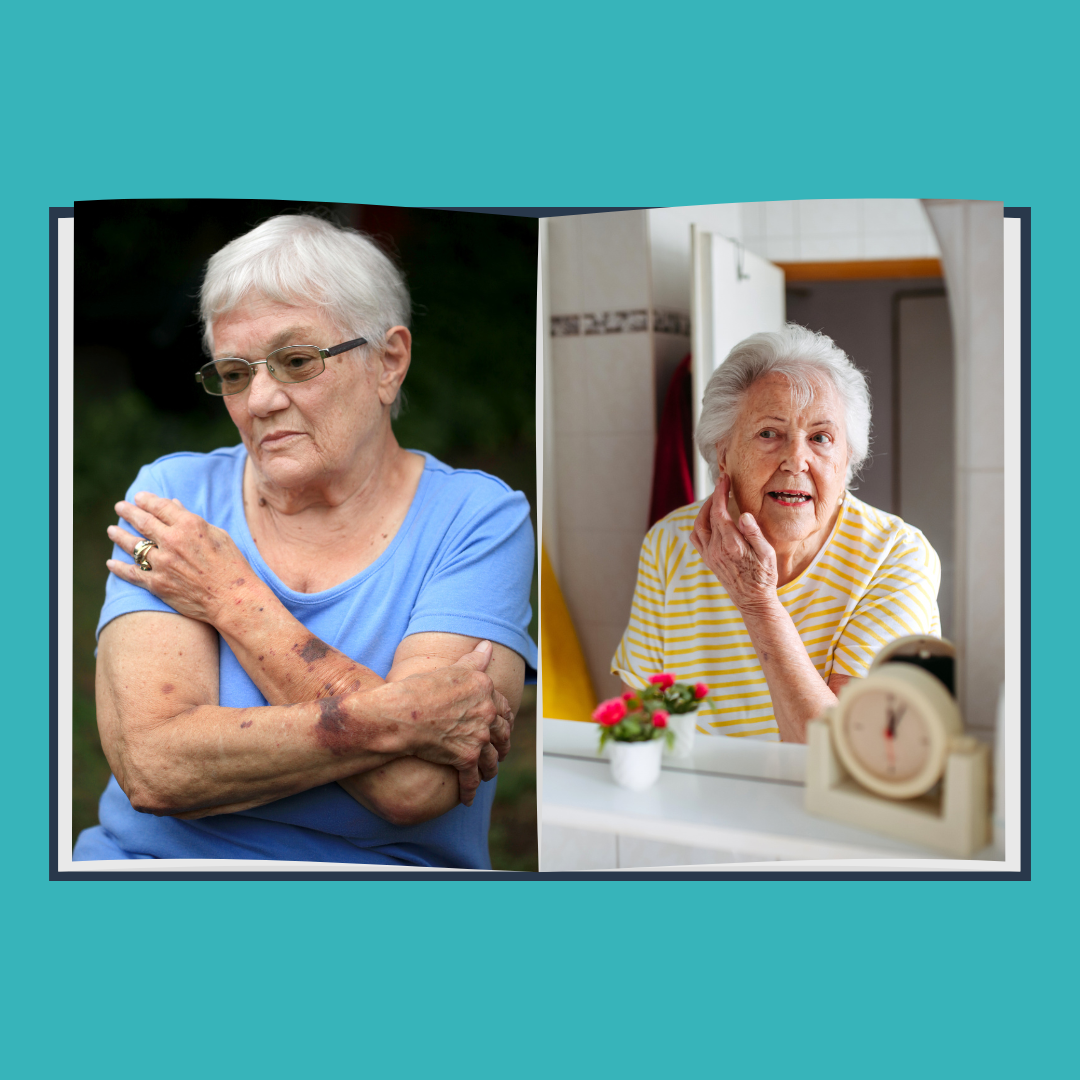
Aging skin is thinner and more fragile, making seniors more vulnerable to bruises, skin tears, and pressure injuries. Learn practical prevention tips and how in-home care helps keep older adults safe and comfortable.

Urinary tract infections in seniors often present with unusual symptoms like confusion, fatigue, and falls instead of pain. Learn the warning signs, risk factors, prevention tips, and how in-home care can help older adults stay healthy and safe.

Learn how medications may cause dizziness and increase fall risk in seniors. Discover warning signs, prevention tips, and how in-home care can support safer aging at home.

Learn the difference between heat stroke and heat exhaustion in seniors, recognize the warning signs, and discover practical summer safety tips to help aging loved ones stay healthy and independent at home.

Learn the signs of poor nutrition in seniors and how in-home care supports healthier eating habits.

Learn common medication mistakes seniors make and how caregivers help improve medication safety at home.

Learn why older men often avoid asking for help and how in-home care supports healthier, safer aging.

Learn why seniors become isolated during the summer months and how families and caregivers can help improve social connection and well-being.
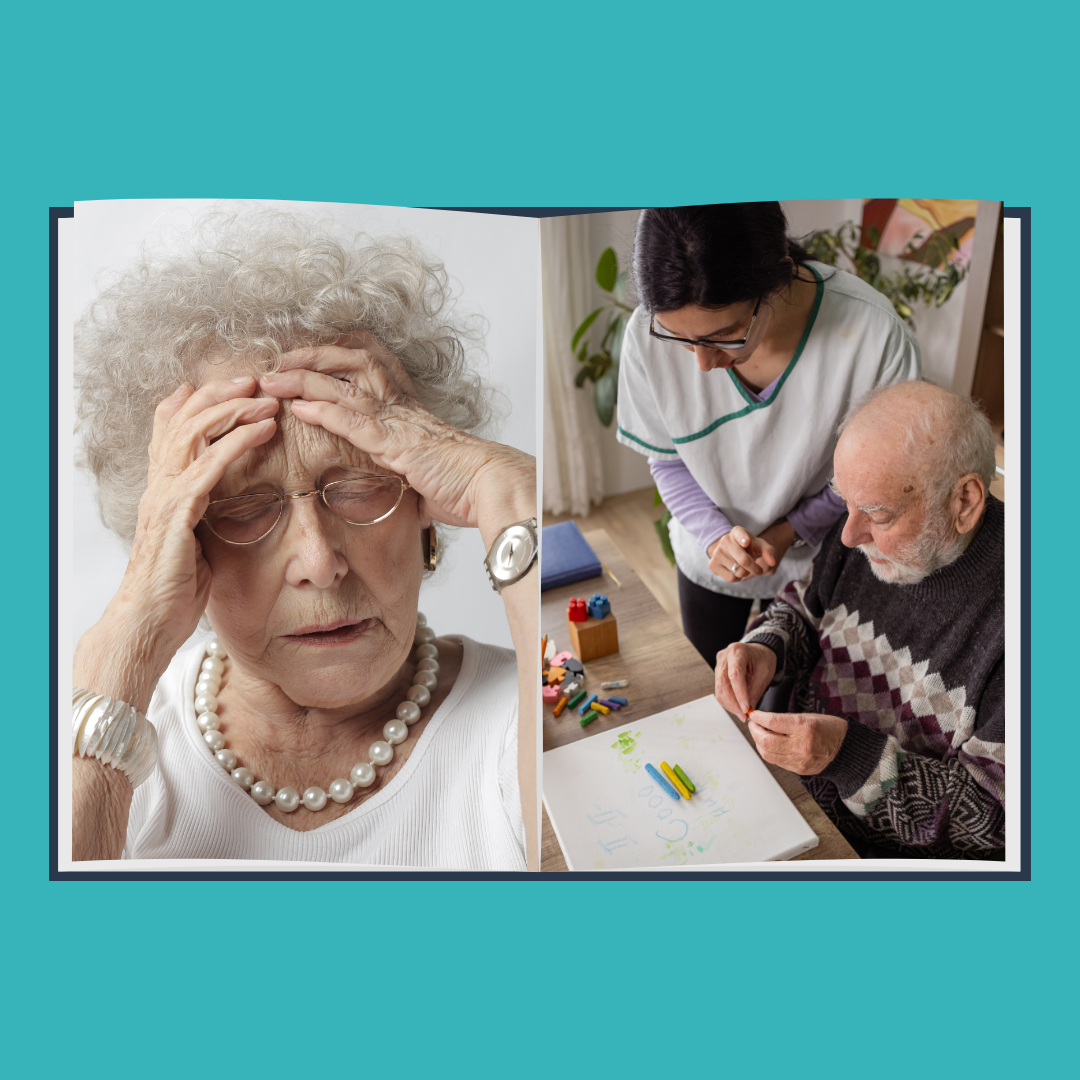
Learn the early signs of Alzheimer's disease, how it differs from normal aging, and how in-home care helps seniors maintain safety and independence.

Learn how to balance independence and safety for aging loved ones and how in-home care in Virginia helps seniors stay at home longer.