
New Paragraph
August 25, 2025
Glaucoma in Seniors: Protecting Vision Through Early Detection and Care
Glaucoma
is a group of eye conditions that damage the optic nerve, often due to high eye pressure. It's one of the leading causes of blindness in seniors and can progress silently. Regular eye exams and early treatment are key to preserving vision.
Understanding Glaucoma:
- Open-angle glaucoma is the most common and progresses slowly.
- Angle-closure glaucoma occurs quickly and is a medical emergency.
- Risk increases with age, family history, diabetes, and hypertension.
Warning Signs:
- Often no symptoms early on
- Gradual loss of peripheral vision
- Eye pain or headaches in acute cases
- Blurred vision or halos around lights
How to Manage and Prevent Vision Loss:
- Regular Eye Exams – Especially for those over 60 or with risk factors.
- Eye Drop Medications – To lower intraocular pressure.
- Healthy Lifestyle – Regular exercise and good blood pressure control.
- Sun Protection – Wearing sunglasses helps prevent eye strain and UV damage.
In-Home Care Role:
- Remind seniors to take eye drops as prescribed
- Provide transportation to ophthalmology appointments
- Make home modifications like increased lighting and clear walkways
- Assist with reading and navigating safely
Vision loss doesn’t have to be inevitable. With early detection, treatment, and support from compassionate in-home caregivers, seniors can continue to enjoy visual independence and a high quality of life.

Learn the signs of hearing loss in seniors, how it affects communication, safety and social connection, and how families and in-home caregivers can provide meaningful support.

Learn how osteoporosis affects seniors, why fractures are dangerous, and how nutrition, exercise, home safety, and in-home care can help protect bone health and independence.

Muscle loss, known as sarcopenia, can affect a senior's strength, balance, and independence. Learn the early warning signs, causes, prevention strategies, and how in-home care can help older adults stay active and safe at home.
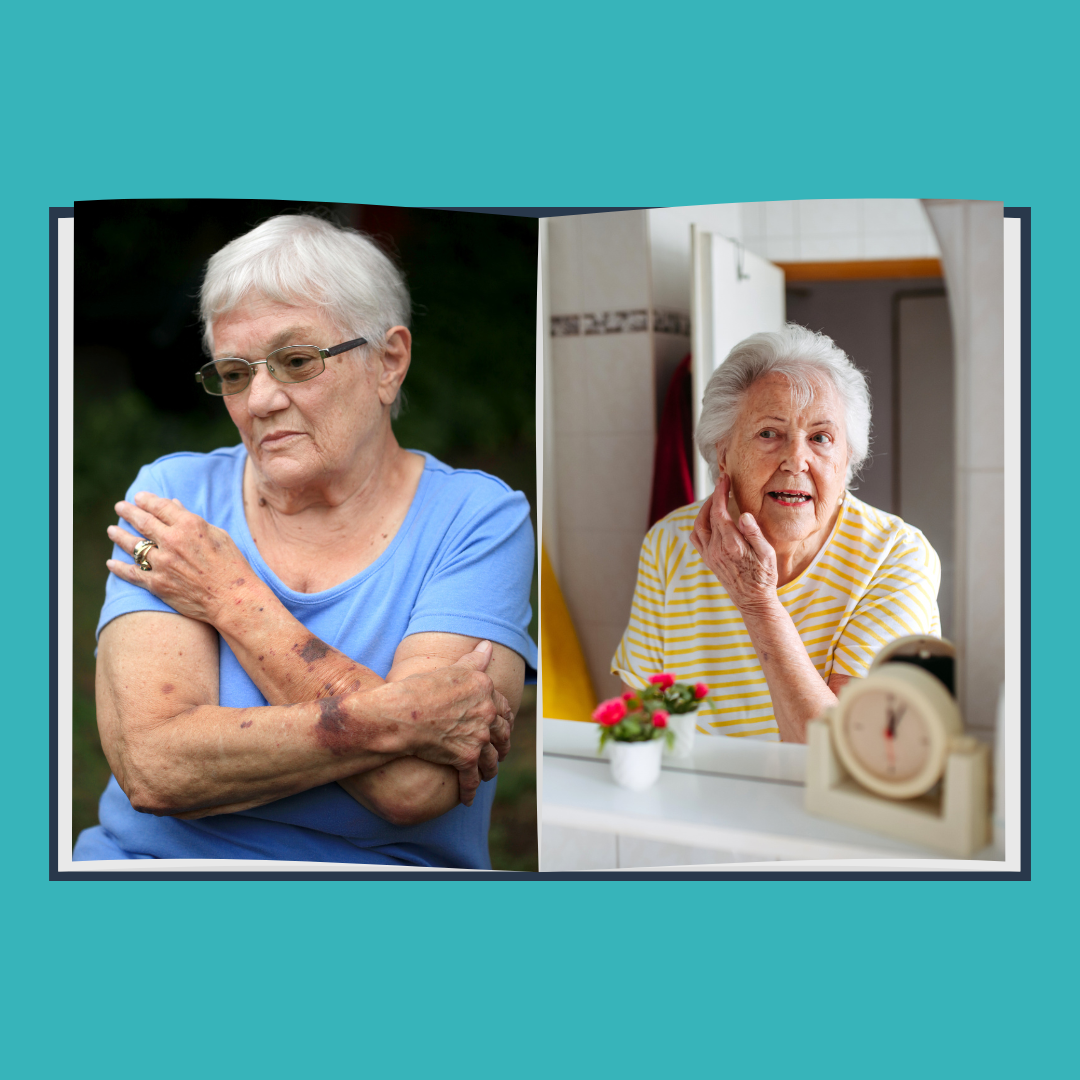
Aging skin is thinner and more fragile, making seniors more vulnerable to bruises, skin tears, and pressure injuries. Learn practical prevention tips and how in-home care helps keep older adults safe and comfortable.

Urinary tract infections in seniors often present with unusual symptoms like confusion, fatigue, and falls instead of pain. Learn the warning signs, risk factors, prevention tips, and how in-home care can help older adults stay healthy and safe.

Learn how medications may cause dizziness and increase fall risk in seniors. Discover warning signs, prevention tips, and how in-home care can support safer aging at home.

Learn the difference between heat stroke and heat exhaustion in seniors, recognize the warning signs, and discover practical summer safety tips to help aging loved ones stay healthy and independent at home.

Learn the signs of poor nutrition in seniors and how in-home care supports healthier eating habits.

Learn common medication mistakes seniors make and how caregivers help improve medication safety at home.

Learn why older men often avoid asking for help and how in-home care supports healthier, safer aging.