
New Paragraph
October 20, 2025
Pneumonia in Seniors: Prevention and At-Home Recovery Tips
Pneumonia is a serious lung infection that can be life-threatening for seniors. Older adults are more vulnerable due to weakened immune systems, pre-existing conditions, and limited mobility. Families and caregivers must recognize symptoms early and provide proper care at home after treatment.
Why Seniors Are at Higher Risk
- Weaker immune defenses with age
- Chronic illnesses such as COPD, heart disease, or diabetes
- Difficulty clearing lungs due to weaker cough reflex
Symptoms of Pneumonia
- Persistent cough with phlegm
- Fever, chills, or sweating
- Shortness of breath
- Chest pain and fatigue
Preventive Measures
- Annual flu shots and pneumococcal vaccines
- Encouraging handwashing and good hygiene
- Avoiding smoking and secondhand smoke
- Promoting healthy diets and hydration
How In-Home Care Supports Recovery
- Medication reminders for antibiotics and fever reducers
- Monitoring breathing and oxygen levels
- Hydration and nutrition support to strengthen recovery
- Rest and mobility balance, ensuring seniors don’t remain bedridden too long
- Companionship and supervision to prevent complications
Pneumonia can be dangerous, but with prevention and proper home recovery care, seniors can heal safely and regain strength in the comfort of their homes.

Aging skin is thinner and more fragile, making seniors more vulnerable to bruises, skin tears, and pressure injuries. Learn practical prevention tips and how in-home care helps keep older adults safe and comfortable.

Urinary tract infections in seniors often present with unusual symptoms like confusion, fatigue, and falls instead of pain. Learn the warning signs, risk factors, prevention tips, and how in-home care can help older adults stay healthy and safe.
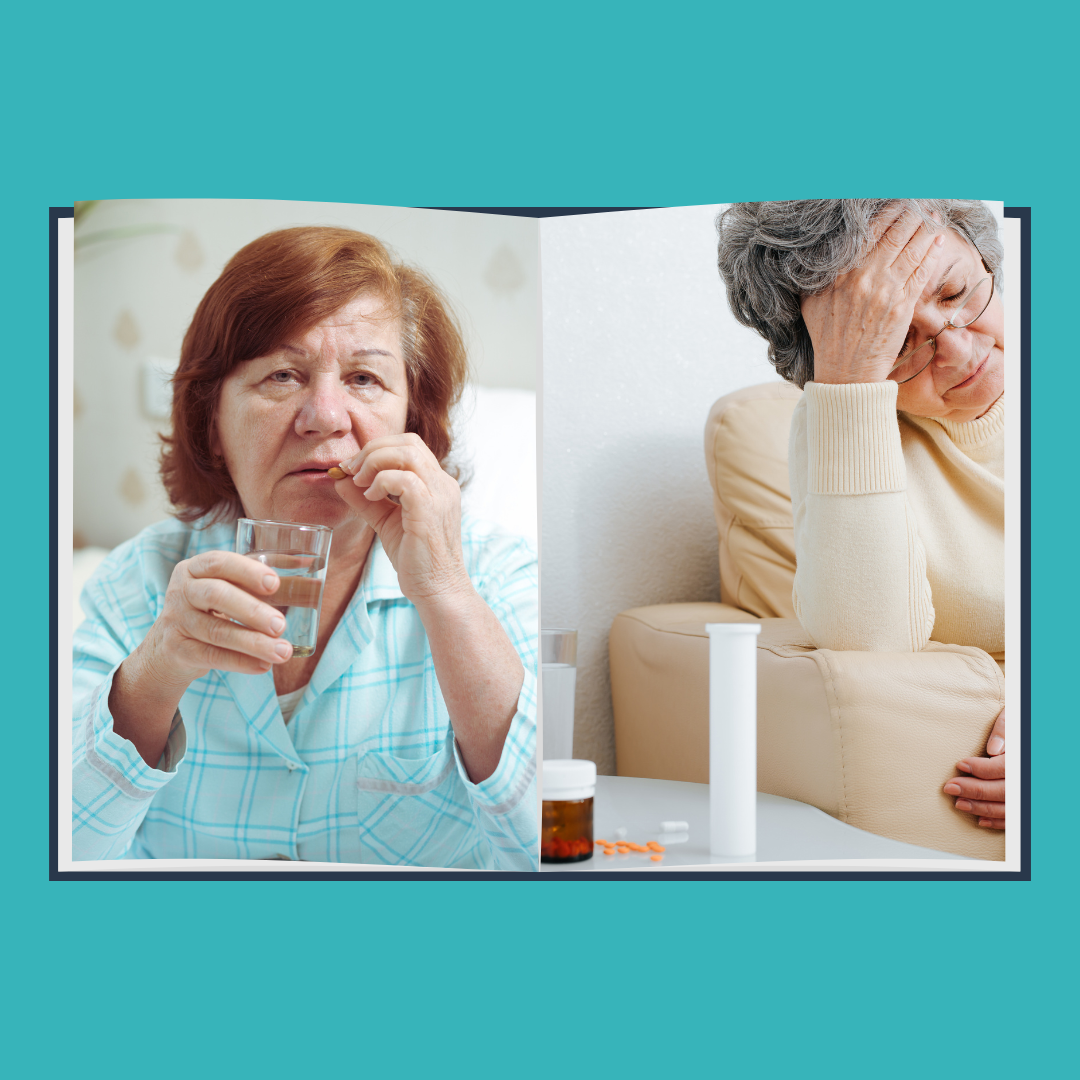
Learn how medications may cause dizziness and increase fall risk in seniors. Discover warning signs, prevention tips, and how in-home care can support safer aging at home.

Learn the difference between heat stroke and heat exhaustion in seniors, recognize the warning signs, and discover practical summer safety tips to help aging loved ones stay healthy and independent at home.

Learn the signs of poor nutrition in seniors and how in-home care supports healthier eating habits.

Learn common medication mistakes seniors make and how caregivers help improve medication safety at home.

Learn why older men often avoid asking for help and how in-home care supports healthier, safer aging.

Learn why seniors become isolated during the summer months and how families and caregivers can help improve social connection and well-being.

Learn the early signs of Alzheimer's disease, how it differs from normal aging, and how in-home care helps seniors maintain safety and independence.

Learn how to balance independence and safety for aging loved ones and how in-home care in Virginia helps seniors stay at home longer.