New Paragraph
The Importance of Preventive Healthcare for Seniors: Small Checkups, Big Benefits
As our loved ones get older, healthcare can sometimes become focused on managing problems after they appear. A new symptom develops, a fall happens, blood pressure rises, or a chronic condition becomes more difficult to control—and suddenly, the family is making appointments, arranging transportation, and trying to figure out what to do next.
But senior healthcare should not only be about responding to illness.
Preventive healthcare can help families identify potential problems earlier, manage existing conditions, and support a senior's ability to remain independent.
Routine checkups, recommended screenings, vaccinations, medication reviews, dental and vision care, and regular conversations with healthcare professionals can all play an important role in healthy aging.
For family members caring for an older adult, understanding preventive care can also make it easier to recognize when additional support at home may be beneficial.
What Is Preventive Healthcare?
Preventive healthcare refers to services and healthy habits designed to help prevent illness or detect health problems before they become more serious.
For seniors, this may include:
- Regular primary care visits
- Blood pressure monitoring
- Diabetes screening and management
- Cholesterol checks
- Cancer screenings when appropriate
- Vision and hearing evaluations
- Dental care
- Vaccinations
- Medication reviews
- Bone health assessments
- Fall-risk evaluations
- Mental and emotional health discussions
The exact recommendations vary depending on a person's age, medical history, family history, medications, and individual risk factors.
That's why preventive care should be personalized with guidance from a healthcare professional.
Why Preventive Care Becomes Especially Important With Age
Older adults are more likely to live with chronic health conditions.
A senior may be managing several concerns at the same time, such as high blood pressure, diabetes, arthritis, heart disease, or other age-related conditions.
These conditions may not always produce obvious symptoms.
For example, high blood pressure often has no noticeable symptoms, yet uncontrolled blood pressure can increase the risk of serious cardiovascular complications.
Regular healthcare visits give professionals opportunities to monitor these conditions and identify changes that might otherwise go unnoticed.
1. Routine Checkups Can Catch Problems Early
One of the simplest preventive steps is maintaining regular healthcare appointments.
A routine visit gives a healthcare provider an opportunity to review:
- Current health concerns
- Changes in mobility
- Blood pressure
- Weight changes
- Medication use
- Sleep
- Nutrition
- Memory or cognitive concerns
- Fall history
- Other changes in daily functioning
These conversations can reveal issues that families may not recognize at home.
A senior may not mention that they're becoming dizzy when standing or that they have stopped walking as much as they used to.
A routine appointment can provide an opportunity to bring these changes to a professional's attention.
2. Medication Reviews Matter
Many older adults take multiple medications.
While medications can be essential for managing health conditions, taking several prescriptions at once can make medication management more complicated.
Families may accidentally overlook:
- Duplicate medications
- Changes in dosage
- Medication interactions
- Missed doses
- Expired medications
- New side effects
A medication review with a healthcare professional can help ensure that medications are being used appropriately.
Never stop or change a prescribed medication without consulting the prescribing healthcare professional.
For families, keeping an updated medication list can also make medical appointments safer and more productive.
3. Blood Pressure Shouldn't Be Ignored
High blood pressure is common among older adults and can increase the risk of serious health problems.
The challenge is that seniors may feel completely normal even when their blood pressure is elevated.
Regular monitoring can help healthcare professionals determine whether treatment is working and whether changes are necessary.
Families can also pay attention to symptoms such as dizziness, weakness, or fainting and report concerning changes to a healthcare professional.
4. Diabetes Management Is Part of Prevention
Diabetes requires ongoing attention.
Poorly controlled blood sugar can contribute to complications affecting several parts of the body, including the eyes, kidneys, nerves, and cardiovascular system.
Preventive healthcare may include monitoring blood glucose, following an appropriate meal plan, taking medications as prescribed, staying physically active when appropriate, and attending recommended appointments.
For seniors, consistent routines can make diabetes management easier.
This is one area where daily support at home can become valuable.
5. Vision and Hearing Should Be Checked
Vision and hearing changes are sometimes dismissed as unavoidable parts of aging.
But untreated vision or hearing problems can affect safety and independence.
Vision problems can contribute to:
- Falls
- Difficulty reading medication labels
- Trouble navigating stairs
- Difficulty preparing meals
- Reduced ability to participate in activities
Hearing loss can contribute to:
- Communication difficulties
- Social withdrawal
- Misunderstanding instructions
- Difficulty hearing alarms or warnings
Regular vision and hearing evaluations can help identify changes and determine whether treatment or assistive devices may be appropriate.
6. Dental Health Is Still Important
Dental care doesn't stop being important after retirement.
Poor oral health can make eating uncomfortable and may affect nutrition.
A senior with painful teeth or poorly fitting dentures may begin avoiding foods that are difficult to chew.
Over time, this can contribute to inadequate nutrition.
Regular dental care can help identify problems early and support comfortable eating.
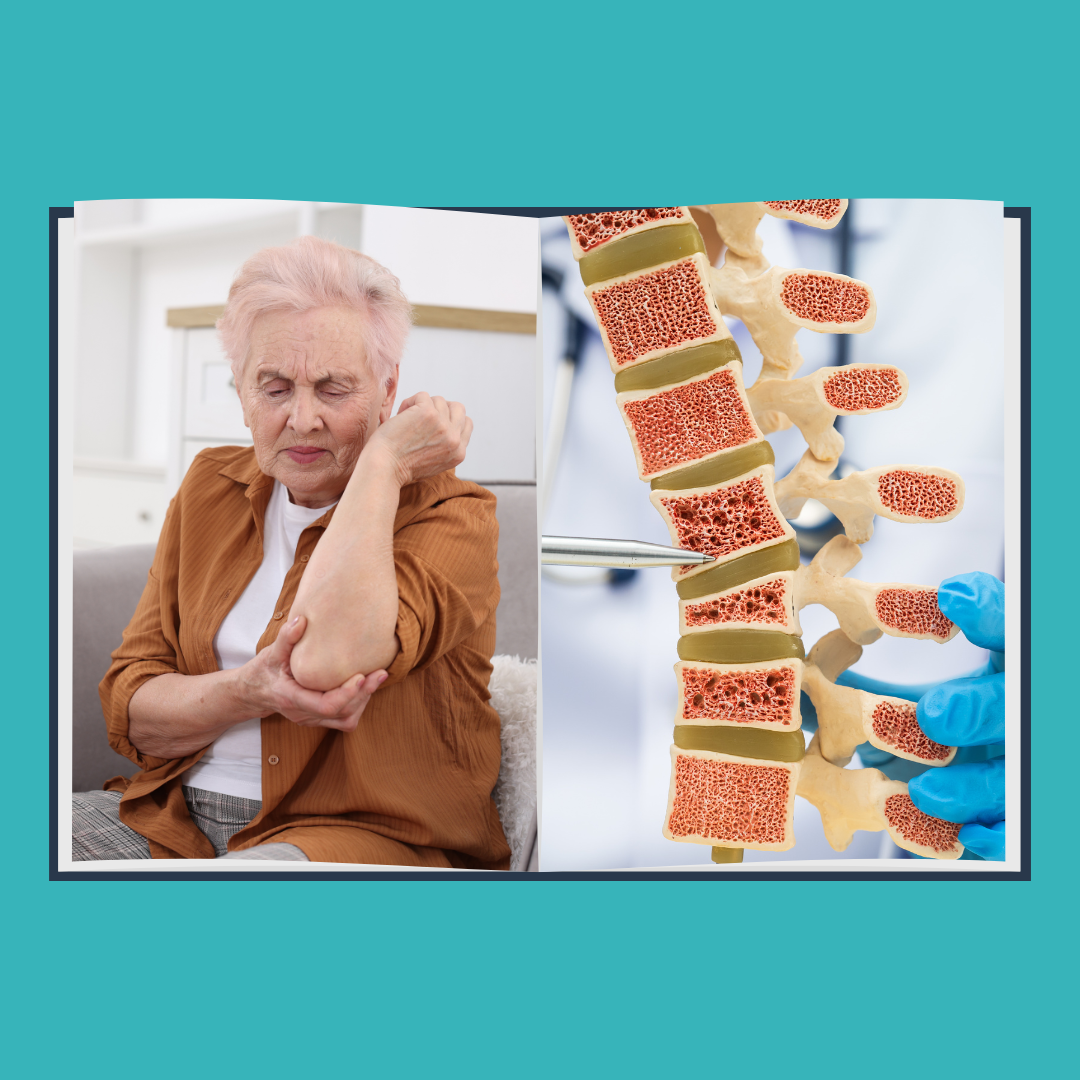
7. Bone Health Deserves Attention
Older adults can experience gradual loss of bone density.
Osteoporosis often develops without obvious symptoms, meaning someone may not know their bones are becoming weaker until a fracture occurs.
Depending on the individual's risk factors, a healthcare professional may recommend bone density testing.
Families should also pay attention to fall prevention.
A senior with fragile bones may face serious consequences from even a relatively simple fall.
8. Vaccinations Help Protect Older Adults
Vaccination recommendations change over time and depend on factors such as age, medical conditions, previous vaccinations, and individual risk.
Seniors and their families should speak with their healthcare provider about which vaccines are recommended for them.
Vaccinations can be an important component of preventive healthcare because older adults may be more vulnerable to complications from certain infections.
9. Mental and Emotional Health Matter Too
Preventive healthcare isn't only about physical health.
Seniors can experience:
- Loneliness
- Grief
- Anxiety
- Depression
- Social isolation
- Changes in cognitive function
Family members should pay attention to noticeable changes in mood, behavior, sleep, appetite, or social participation.
A senior who suddenly stops enjoying activities they once loved may need additional attention and support.
Mental health concerns should be discussed with an appropriate healthcare professional.
10. Falls Should Be Discussed During Healthcare Visits
Falls are not simply accidents.
For older adults, they can sometimes indicate underlying problems such as:
- Muscle weakness
- Balance difficulties
- Vision changes
- Medication side effects
- Low blood pressure
- Environmental hazards
- Certain medical conditions
If your loved one has fallen—even if they weren't seriously injured—tell their healthcare provider.
A fall-risk evaluation may help identify ways to reduce future risks.
What Can Family Caregivers Do?
Preventive healthcare works best when families are involved.
You don't have to be a healthcare professional to play an important role.
Keep a Health Record
Maintain an updated list of:
- Medications
- Allergies
- Medical conditions
- Healthcare providers
- Recent test results
- Important questions for appointments
Track Changes
Pay attention to changes in:
- Appetite
- Weight
- Mobility
- Memory
- Mood
- Sleep
- Balance
- Daily routines
Small changes can sometimes provide valuable information to healthcare professionals.
Help Prepare for Appointments
Before an appointment, write down questions and concerns.
This helps families make better use of limited appointment time.
Encourage Healthy Daily Habits
Depending on the senior's medical needs, healthy routines may include:
- Nutritious meals
- Adequate hydration
- Appropriate physical activity
- Good sleep habits
- Social connection
- Medication adherence
When Does a Senior Need More Help at Home?
Sometimes preventive care reveals that a senior is having difficulty managing everyday life independently.
You may notice:
- Missed appointments
- Unopened medication bottles
- Poor nutrition
- An increasingly cluttered home
- Difficulty bathing
- Trouble preparing meals
- Increasing isolation
- Difficulty keeping track of medications
- More frequent falls
These aren't necessarily signs that a senior needs to leave their home.
Instead, they may indicate that additional support at home could help them remain safely independent.
How In-Home Care Supports Preventive Health
In-home care does not replace doctors, nurses, or other healthcare professionals.
Instead, caregivers can provide practical day-to-day assistance that helps seniors follow their established routines and remain safer at home.
Depending on the individual's care plan, an in-home caregiver may help with:
Meal Preparation
Nutritious meals can be difficult to prepare when a senior has limited mobility or energy.
Caregivers can assist with meal preparation based on the family's and healthcare team's established recommendations.
Medication Reminders
For seniors who need assistance remembering their medication schedule, caregivers may provide reminders as permitted within their role and care plan.
Transportation and Appointment Support
Getting to healthcare appointments can become difficult for seniors who no longer drive.
Families may arrange transportation assistance or caregiver support according to the senior's needs.
Mobility Assistance
Caregivers can help seniors safely navigate daily routines and provide appropriate assistance with activities.
Companionship
Companionship can encourage seniors to remain socially engaged rather than becoming isolated at home.
Observation and Communication
Because caregivers may spend significant time with a senior, they can notice changes in daily behavior or routine and communicate concerns to the appropriate family member or healthcare professional.
Preventive Care Is About More Than Doctor Visits
It's easy to think of preventive healthcare as a list of appointments.
But prevention also happens at home.
It happens when a family removes a loose rug that could cause a fall.
It happens when someone notices their parent has stopped eating properly.
It happens when a caregiver encourages a senior to drink fluids according to their healthcare plan.
It happens when someone notices that a loved one is suddenly having difficulty walking.
And it happens when families ask for help before a crisis occurs.
A Simple Preventive Care Checklist for Families
Families can use these questions as a starting point:
- Has my loved one had their recommended routine checkups?
- Are their medications reviewed regularly?
- Have we discussed recent falls or balance problems?
- Are their vision and hearing being monitored?
- Are they maintaining good nutrition?
- Are they staying appropriately hydrated?
- Are they receiving recommended vaccinations?
- Are they staying physically active within their abilities?
- Have we noticed changes in mood or memory?
- Is their home safe and easy to navigate?
- Are they able to manage bathing, dressing, meals, and other daily activities?
- Would additional support at home make daily life safer or easier?
If several answers raise concerns, it may be time to have a conversation with your loved one's healthcare provider and family members about additional support.
Final Thoughts: Small Checkups Can Prevent Big Problems
Preventive healthcare is one of the most powerful tools families have when supporting an aging loved one.
Regular medical care, screenings, medication reviews, vaccinations, dental and vision care, healthy habits, and fall prevention can help identify problems earlier and support a senior's overall quality of life.
But preventive care doesn't end when the doctor's appointment is over.
The daily environment matters too.
The meals a senior eats, the amount of activity they get, the safety of their home, their medication routine, and their social connections all contribute to healthy aging.
At Hope And Recovery Care, we understand that families want their loved ones to remain safe, comfortable, and independent for as long as possible.
In-home care can provide an extra layer of support with everyday activities while allowing seniors to remain in the familiar surroundings of home.
The goal isn't simply to help seniors live longer. It's to help them live as safely, comfortably, and independently as possible. 💙