New Paragraph
Understanding Osteoporosis: Protecting Seniors from Silent Bone Loss

For many families, osteoporosis does not become a concern until a parent or grandparent experiences a fracture.
A simple fall in the kitchen.
A misstep on the stairs.
A bump against a piece of furniture.
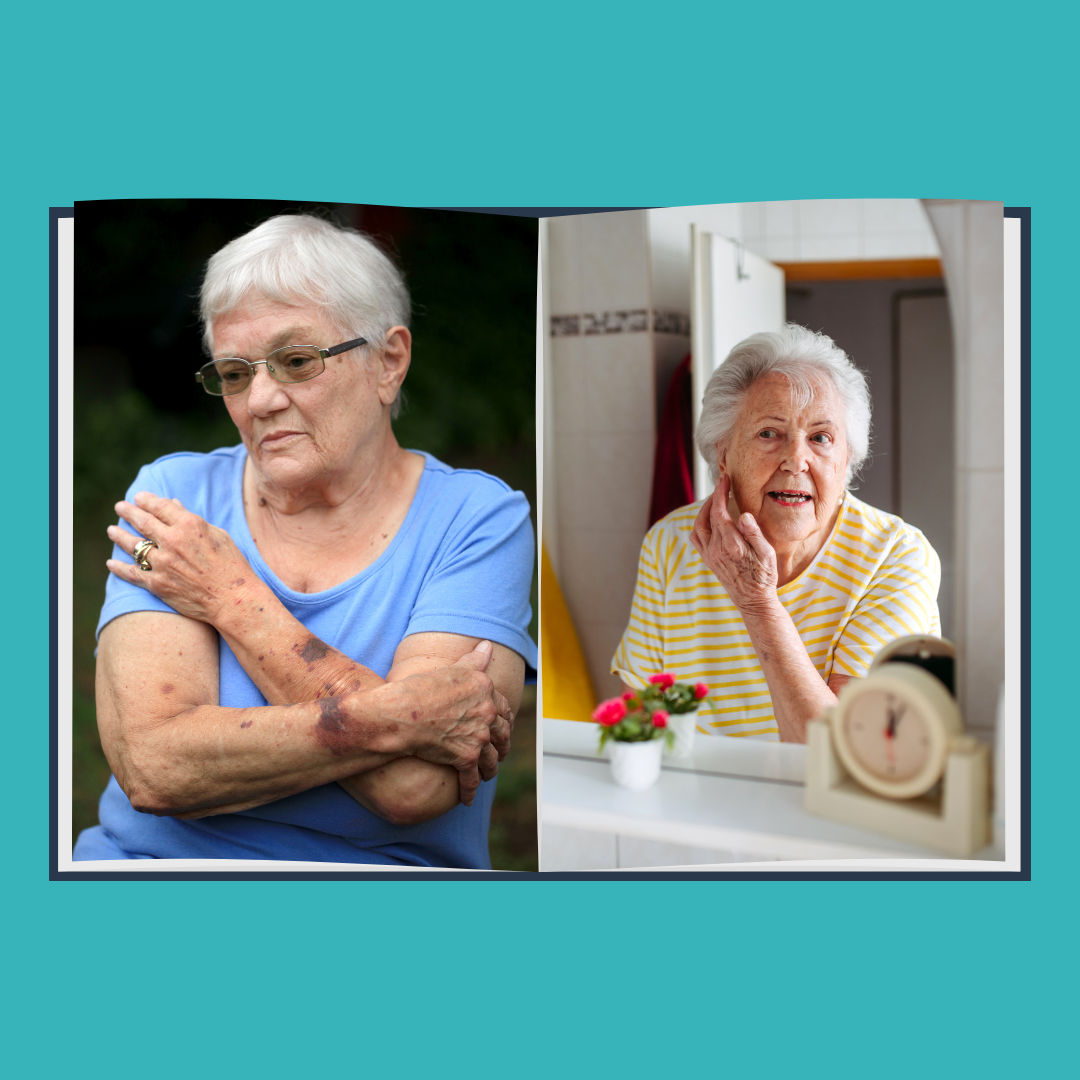
For someone with healthy bones, these incidents may result in nothing more than a bruise. But for an older adult with osteoporosis, the same event can cause a serious fracture that may affect mobility and independence for months—or even permanently.
Osteoporosis is often called a "silent disease" because bone loss can occur without obvious symptoms. A person may feel completely healthy while their bones are gradually becoming weaker and more fragile.
This is especially important for families caring for older adults. Understanding osteoporosis, recognizing its risk factors, and making the home safer can help reduce preventable injuries and support healthier aging.
What Is Osteoporosis?
Osteoporosis is a condition in which bones become weaker and more likely to fracture.
Healthy bones are living tissue. Throughout life, the body continuously breaks down old bone and replaces it with new bone. When we are younger, bone formation generally keeps pace with—or exceeds—bone loss.
As we age, however, this balance can change.
Bone loss may gradually outpace bone formation, causing bones to become less dense and structurally weaker.
Importantly, osteoporosis does not necessarily make someone feel different.
There may be no pain.
There may be no obvious weakness.
There may be no warning that a fracture is about to occur.
That is why prevention and appropriate screening are so important.
Why Are Seniors at Greater Risk?
Aging naturally increases the risk of bone loss, but several other factors can contribute.
Age-Related Bone Loss
Bone density generally decreases as people grow older.
The rate of bone loss varies from person to person and can be influenced by genetics, nutrition, physical activity, hormones, and overall health.
Hormonal Changes
Hormonal changes play an important role in bone health.
Women experience a particularly significant increase in bone loss around and after menopause because estrogen levels decline.
Men can also develop osteoporosis as they age, especially when other risk factors are present.
Lack of Physical Activity
Bones respond to the demands placed on them.
Weight-bearing activities and resistance exercises can help support bone and muscle strength.
Unfortunately, many seniors become less active because of chronic pain, illness, mobility problems, or fear of falling.
Less activity can contribute to both muscle weakness and declining bone strength.
This creates a concerning cycle:
Weaker muscles → less activity → weaker bones and muscles → greater fall risk.
Breaking this cycle through safe, appropriate movement can be an important part of healthy aging.
Why Falls Are Especially Dangerous for Seniors With Osteoporosis
A fall is one of the biggest concerns when an older adult has fragile bones.
A fracture can affect much more than the bone itself.
Consider what may happen after a hip fracture.
A senior may require:
- Emergency treatment
- Hospitalization
- Surgery
- Rehabilitation
- Physical therapy
- Assistance with daily activities
Even after recovery, some older adults may not return to their previous level of mobility.
They may become afraid of walking.
They may stop participating in activities they previously enjoyed.
They may require more assistance from family members.
In some cases, a serious fracture can lead to a permanent loss of independence.
This is why osteoporosis management and fall prevention should go hand in hand.
Common Fractures Associated With Osteoporosis
Osteoporosis can affect bones throughout the body, but some fractures are particularly common.
Hip Fractures
Hip fractures are among the most serious injuries affecting older adults.
Recovery can be challenging and may require significant rehabilitation.
For seniors who already have mobility limitations, a hip fracture can dramatically change their ability to live independently.
Spine Fractures
Osteoporosis can cause small fractures in the vertebrae of the spine.
These may occur gradually and sometimes without a major fall.
Over time, spinal fractures can contribute to:
- Back pain
- Loss of height
- Changes in posture
- A curved upper back
- Reduced mobility
Wrist Fractures
A person may instinctively use their hands to protect themselves during a fall.
As a result, wrist fractures are also common.
Even a wrist injury can make everyday tasks difficult, including cooking, dressing, bathing, and using mobility aids.
Warning Signs Families Should Not Ignore
Because osteoporosis often has no symptoms, families cannot rely on pain or weakness to identify it.
However, certain changes may warrant medical evaluation.
Pay attention to:
- A noticeable loss of height
- Increasingly stooped posture
- New or persistent back pain
- A fracture resulting from a minor fall or bump
- Difficulty maintaining mobility
- A history of fractures
- Significant changes in physical activity
A fracture caused by a relatively minor incident can sometimes be a sign of underlying bone weakness.
Families should discuss concerns with a healthcare professional.
Who Is More Likely to Develop Osteoporosis?
Risk varies from person to person.
Factors that may increase risk include:
- Older age
- Family history of osteoporosis
- Previous fractures
- Low body weight
- Limited physical activity
- Smoking
- Excessive alcohol use
- Certain medical conditions
- Long-term use of certain medications
Some medications, including long-term corticosteroid therapy, can contribute to bone loss.
This does not mean a person should stop taking prescribed medication.
Instead, medication concerns should always be discussed with the prescribing healthcare professional.
A healthcare provider can determine whether the benefits of a medication outweigh its risks and whether additional monitoring or preventive measures are appropriate.
How Is Osteoporosis Diagnosed?
Because osteoporosis can develop without symptoms, screening can be important for people at increased risk.
Healthcare professionals may recommend a bone mineral density test, commonly performed using a type of X-ray known as a DXA or DEXA scan.
This test helps measure bone density and can help healthcare providers determine whether a person has osteoporosis or lower-than-normal bone density.
Families should ask a healthcare professional when bone density screening is appropriate based on their loved one's age, sex, health history, medications, and risk factors.
Calcium and Vitamin D: Why They Matter
Nutrition plays an important role in maintaining healthy bones.
Calcium
Calcium is an essential mineral for bone health.
Good dietary sources include:
- Milk
- Yogurt
- Cheese
- Fortified plant-based beverages
- Certain leafy green vegetables
- Other calcium-rich foods
The amount a senior needs depends on individual circumstances, so families should discuss nutritional needs with a healthcare professional or registered dietitian when appropriate.
Vitamin D
Vitamin D helps the body absorb calcium.
Some people obtain vitamin D through sunlight exposure and food, while others may require supplementation based on their individual needs.
However, supplements are not automatically appropriate for everyone.
Families should speak with a healthcare professional before starting new supplements, particularly when an older adult takes several medications or has chronic health conditions.
Protein Matters Too
When discussing bone health, families often focus on calcium and vitamin D but overlook protein.
Protein is important for maintaining muscle.
And muscle strength is closely connected to fall prevention.
Strong muscles help seniors maintain balance, stand safely, walk confidently, and recover more effectively from physical challenges.
A balanced diet that includes appropriate sources of protein—such as eggs, fish, poultry, beans, dairy products, and other nutritious foods—can support overall strength.
For seniors with reduced appetite or difficulty preparing meals, ensuring regular nutritious meals can become a challenge.
This is one area where daily caregiving support can make a meaningful difference.
Exercise Can Help Protect Bones and Muscles
Physical activity is an important part of healthy aging.
Depending on a senior's health and physical abilities, appropriate activities may include:
- Walking
- Resistance exercises
- Strength training
- Balance exercises
- Certain weight-bearing activities
However, seniors with osteoporosis or a history of fractures should not begin a new exercise program without discussing it with an appropriate healthcare professional.
The goal is not necessarily intense exercise.
Consistency matters.
Even appropriate, moderate activity performed regularly can contribute to maintaining strength and mobility.
Don't Forget Balance Training
Bone health and fall prevention should be addressed together.
A senior may have strong bones but still be at risk of falling because of:
- Poor balance
- Vision problems
- Muscle weakness
- Medication side effects
- Unsafe footwear
- Environmental hazards
Balance exercises may help improve stability when performed safely and appropriately.
A physical therapist can provide individualized recommendations for seniors who have mobility limitations or a history of falls.
Making the Home Safer
One of the most practical things families can do is reduce fall hazards around the home.
Start by looking at the environment from the senior's perspective.
Remove Tripping Hazards
Keep walkways clear of:
- Loose rugs
- Electrical cords
- Shoes
- Boxes
- Clutter
Improve Lighting
Make sure hallways, stairways, bedrooms, and bathrooms are adequately lit.
Nightlights can be particularly helpful for seniors who wake during the night.
Install Appropriate Safety Equipment
Depending on the senior's needs, families may consider:
- Grab bars
- Handrails
- Shower chairs
- Non-slip surfaces
- Raised toilet seats
Safety equipment should be selected and installed appropriately rather than simply added without considering the individual's needs.
Keep Frequently Used Items Within Reach
Seniors should not need to climb on chairs or stools to reach commonly used items.
Move frequently used kitchen, bedroom, and bathroom supplies to convenient locations.
The Role of In-Home Care in Osteoporosis Prevention
Families often think of in-home care only after a senior has experienced a major health event.
But caregiving support can also be valuable as a preventive measure.
An in-home caregiver can provide assistance with everyday activities that may otherwise place a senior at risk.
Depending on the individual's care plan, support may include:
Mobility Assistance
A caregiver can provide appropriate assistance while a senior moves around the home or completes daily activities.
Meal Preparation
Preparing nutritious meals can be difficult for seniors with limited mobility or reduced strength.
Caregivers can help prepare meals and encourage consistent nutrition according to the senior's established dietary needs.
Hydration Support
Adequate hydration supports overall health and can help seniors maintain energy and well-being.
Caregivers can encourage regular fluid intake when appropriate for the individual's medical needs.
Fall Hazard Awareness
Caregivers who regularly spend time in the home may notice environmental hazards such as clutter, poor lighting, or objects blocking walkways.
Assistance With Daily Activities
Bathing, dressing, grooming, and other daily activities can become challenging when a senior has weakness or fear of falling.
Having assistance nearby can reduce the need to take unnecessary risks.
Companionship
Perhaps just as importantly, caregivers can provide encouragement and companionship.
A senior who feels supported may be more willing to participate in appropriate activities rather than remaining isolated and inactive.
What Families Should Remember
Osteoporosis does not have to mean giving up independence.
With appropriate medical care, nutrition, physical activity, fall prevention, and support, many older adults can continue living meaningful lives at home.
The most important step is recognizing that bone health deserves attention before a fracture occurs.
If your loved one has risk factors for osteoporosis, has experienced a fracture, or seems increasingly unsteady, start a conversation with their healthcare provider.
Ask questions.
Review medications.
Discuss bone density screening.
Evaluate nutrition.
Look at fall risks in the home.
And consider whether your loved one needs additional assistance with daily activities.
Final Thoughts
Healthy bones are a foundation for independence.
For seniors, a fracture can change far more than mobility. It can affect confidence, emotional well-being, social connection, and the ability to remain safely at home.
That's why osteoporosis prevention should be about more than bones.
It should be about protecting the lifestyle your loved one values.
At Hope And Recovery Care, we understand that families want their aging loved ones to remain safe, comfortable, and independent for as long as possible.
In-home care can provide an extra layer of support with everyday activities, mobility, meal preparation, companionship, and other non-medical needs—while allowing seniors to remain in the familiar environment they call home.
Sometimes, protecting independence starts with something as simple as noticing that a loved one is becoming less steady.
And sometimes, it means putting the right support in place before a serious fall happens.
Because when we protect strength, mobility, and safety, we help protect independence. 💙