New Paragraph
Comprehensive Round-the-Clock Senior Care at Home:
Nurturing Independence and Well-being
Introduction:
In an era where the demand for compassionate and personalized senior care is on the rise, the concept of round-the-clock care at home has gained immense popularity. Families are increasingly seeking alternatives to traditional senior care facilities, preferring the comfort and familiarity of home for their aging loved ones. This paradigm shift has given rise to a comprehensive approach to senior care that goes beyond occasional assistance and embraces the idea of 24/7 support, ensuring the well-being, safety, and independence of seniors. In this article, we delve into the benefits, challenges, and essential considerations of round-the-clock senior care at home.
The Importance of Round-the-Clock Senior Care:
- Preserving Independence:
One of the primary advantages of round-the-clock senior care at home is the preservation of independence. Aging individuals often cherish the familiarity of their own space, and a dedicated caregiver can facilitate their autonomy while providing the necessary assistance.
- Personalized Care Plans:
Unlike institutionalized care settings where routines are often rigid, at-home senior care allows for highly personalized care plans. Caregivers can tailor their approach to each individual's unique needs, preferences, and daily routines.
- Emotional Well-being:
Aging can be emotionally challenging, and having a familiar face around the clock provides a sense of security and comfort. It fosters emotional well-being and helps alleviate feelings of loneliness and isolation.
Key Components of Round-the-Clock Senior Care:
- Professional Caregivers:
Hiring professional caregivers with experience in round-the-clock care is crucial. These caregivers should not only be skilled in providing medical assistance but also in creating a supportive and engaging environment for the seniors.
- Medical Monitoring:
For seniors with chronic health conditions, continuous medical monitoring is essential. From medication management to regular health assessments, caregivers play a pivotal role in maintaining the senior's overall health.
- Nutritional Support:
A well-balanced diet is essential for senior health. Caregivers can ensure that seniors receive nutritious meals tailored to their dietary needs, promoting overall well-being and preventing malnutrition.
Challenges and Solutions:
- Caregiver Burnout:
Providing round-the-clock care can be physically and emotionally demanding for caregivers. Families should consider creating a schedule that allows for breaks and ensures that caregivers have support.
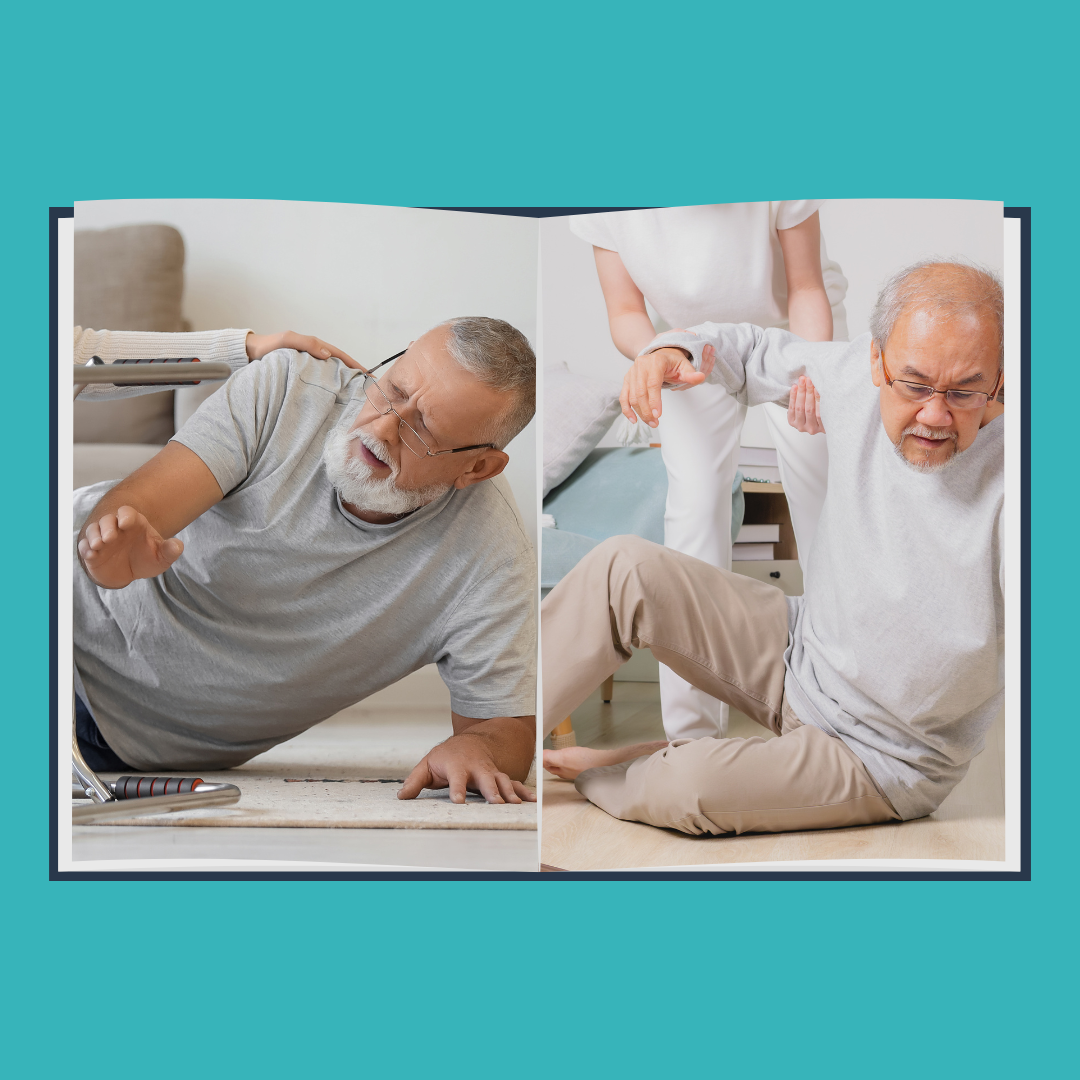
- Safety Concerns:
Ensuring a safe home environment is critical. Families should conduct a thorough assessment of the home, addressing potential hazards and making necessary modifications to prevent accidents.
Conclusion:
Round-the-clock senior care at home represents a holistic approach to aging, focusing on preserving independence, emotional well-being, and personalized care. As families explore alternatives to traditional care settings, understanding the benefits and challenges of this model is crucial. By prioritizing the well-being of aging loved ones through professional caregivers, medical monitoring, and nutritional support, families can create a nurturing environment that promotes a high quality of life for seniors in the comfort of their own homes.