
New Paragraph
June 23, 2025
Diabetes Management for Seniors: A Complete Care Plan
Diabetes is a chronic condition that affects millions of seniors. Managing diabetes can be challenging, but with careful planning and support, seniors can live active and fulfilling lives. In-home care can play a vital role in helping older adults manage their condition and reduce complications.
Understanding Diabetes in Seniors
Diabetes occurs when the body has trouble producing or using insulin, leading to high blood sugar levels. Two main types:
- Type 1 diabetes: Usually diagnosed earlier in life.
- Type 2 diabetes: More common in older adults.
Why Seniors are at Greater Risk
- Decreased insulin sensitivity as we age.
- More likely to have other chronic conditions (like high blood pressure or heart disease).
- Changes in appetite and activity levels.
Common Symptoms
- Increased thirst and urination.
- Blurred vision.
- Fatigue and weakness.
- Slow-healing cuts or sores.
Key Steps in Managing Diabetes
1. Healthy Eating
- Focus on balanced meals with whole grains, lean proteins, and lots of veggies.
- Limit sugary and processed foods.
- Watch portion sizes and use the “plate method” (half plate veggies, quarter protein, quarter carbs).
2. Exercise
- Gentle exercise like walking helps lower blood sugar and improve circulation.
- Encourage daily movement, even light stretching.
3.Regular Monitoring
- Check blood sugar as recommended by the doctor.
- Keep a log to share with healthcare providers.
4. Medication Management
- Many seniors need oral medications or insulin.
- Create routines to avoid missed doses.
- Watch for low blood sugar signs: shakiness, confusion, sweating.
Preventing Complications
- Take care of feet: Check for cuts or sores every day.
- See an eye doctor regularly.
- Keep blood pressure and cholesterol in check.
When to Call for Help
- Sudden confusion or trouble speaking.
- Severe dizziness or fainting.
- Wounds that won’t heal.
Emotional Support
Diabetes management can feel overwhelming for seniors. Caregivers can:
- Offer reminders and encouragement.
- Prepare tasty, healthy meals together.
- Celebrate small victories!
With supportive in-home care, seniors with diabetes can maintain their health and independence. At Hope and Recovery Care, we’re dedicated to helping seniors feel confident and safe in managing their diabetes—every step of the way.

Learn the signs of hearing loss in seniors, how it affects communication, safety and social connection, and how families and in-home caregivers can provide meaningful support.

Learn how osteoporosis affects seniors, why fractures are dangerous, and how nutrition, exercise, home safety, and in-home care can help protect bone health and independence.

Muscle loss, known as sarcopenia, can affect a senior's strength, balance, and independence. Learn the early warning signs, causes, prevention strategies, and how in-home care can help older adults stay active and safe at home.

Aging skin is thinner and more fragile, making seniors more vulnerable to bruises, skin tears, and pressure injuries. Learn practical prevention tips and how in-home care helps keep older adults safe and comfortable.

Urinary tract infections in seniors often present with unusual symptoms like confusion, fatigue, and falls instead of pain. Learn the warning signs, risk factors, prevention tips, and how in-home care can help older adults stay healthy and safe.

Learn how medications may cause dizziness and increase fall risk in seniors. Discover warning signs, prevention tips, and how in-home care can support safer aging at home.
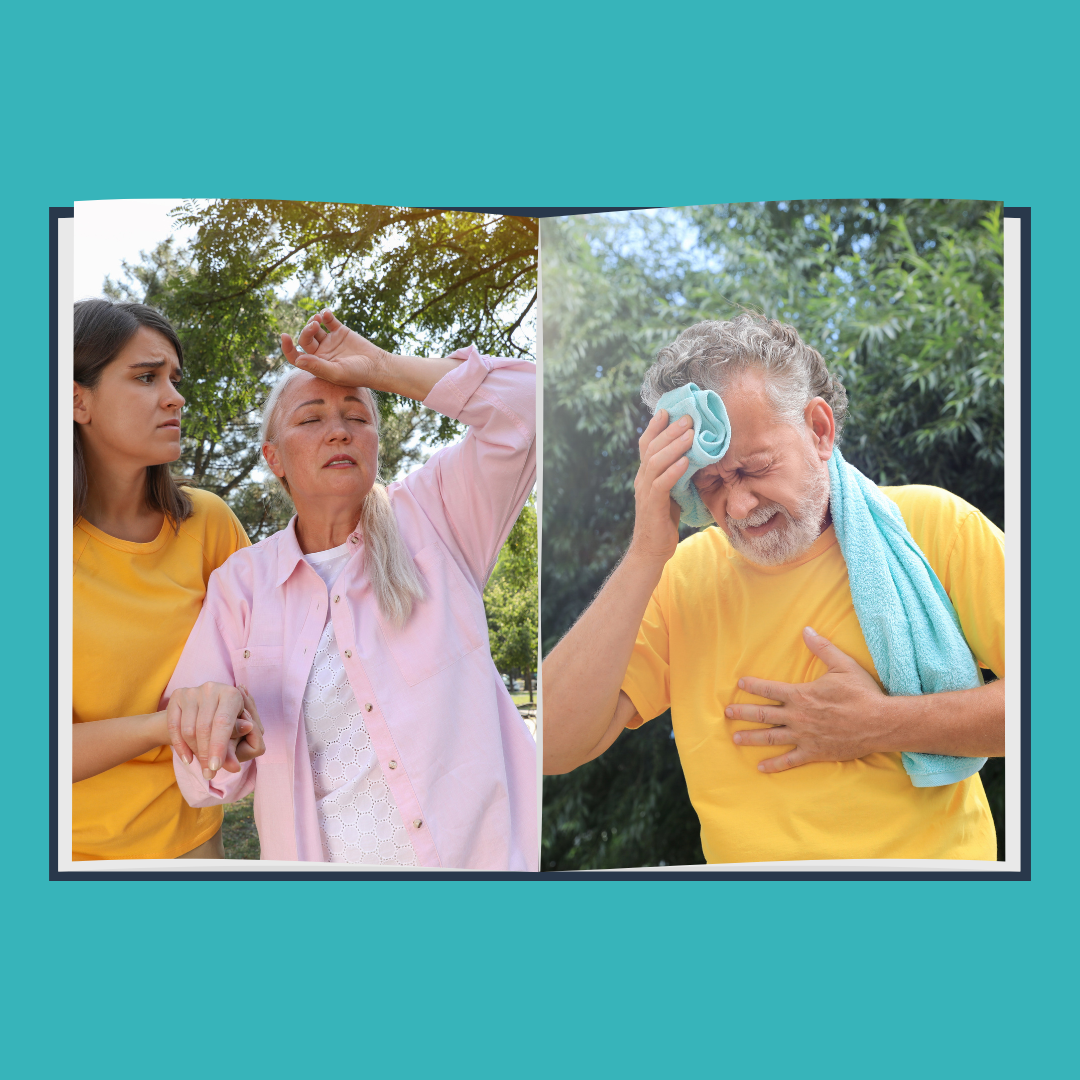
Learn the difference between heat stroke and heat exhaustion in seniors, recognize the warning signs, and discover practical summer safety tips to help aging loved ones stay healthy and independent at home.

Learn the signs of poor nutrition in seniors and how in-home care supports healthier eating habits.

Learn common medication mistakes seniors make and how caregivers help improve medication safety at home.

Learn why older men often avoid asking for help and how in-home care supports healthier, safer aging.