
New Paragraph
April 8, 2024
Empowering Seniors: A Comprehensive Guide to Understanding and Managing Incontinence
The body content of your post goes here. To edit this text, click on it and delete this default text and start typing your own or paste your own from a different source.

Learn how osteoporosis affects seniors, why fractures are dangerous, and how nutrition, exercise, home safety, and in-home care can help protect bone health and independence.

Muscle loss, known as sarcopenia, can affect a senior's strength, balance, and independence. Learn the early warning signs, causes, prevention strategies, and how in-home care can help older adults stay active and safe at home.
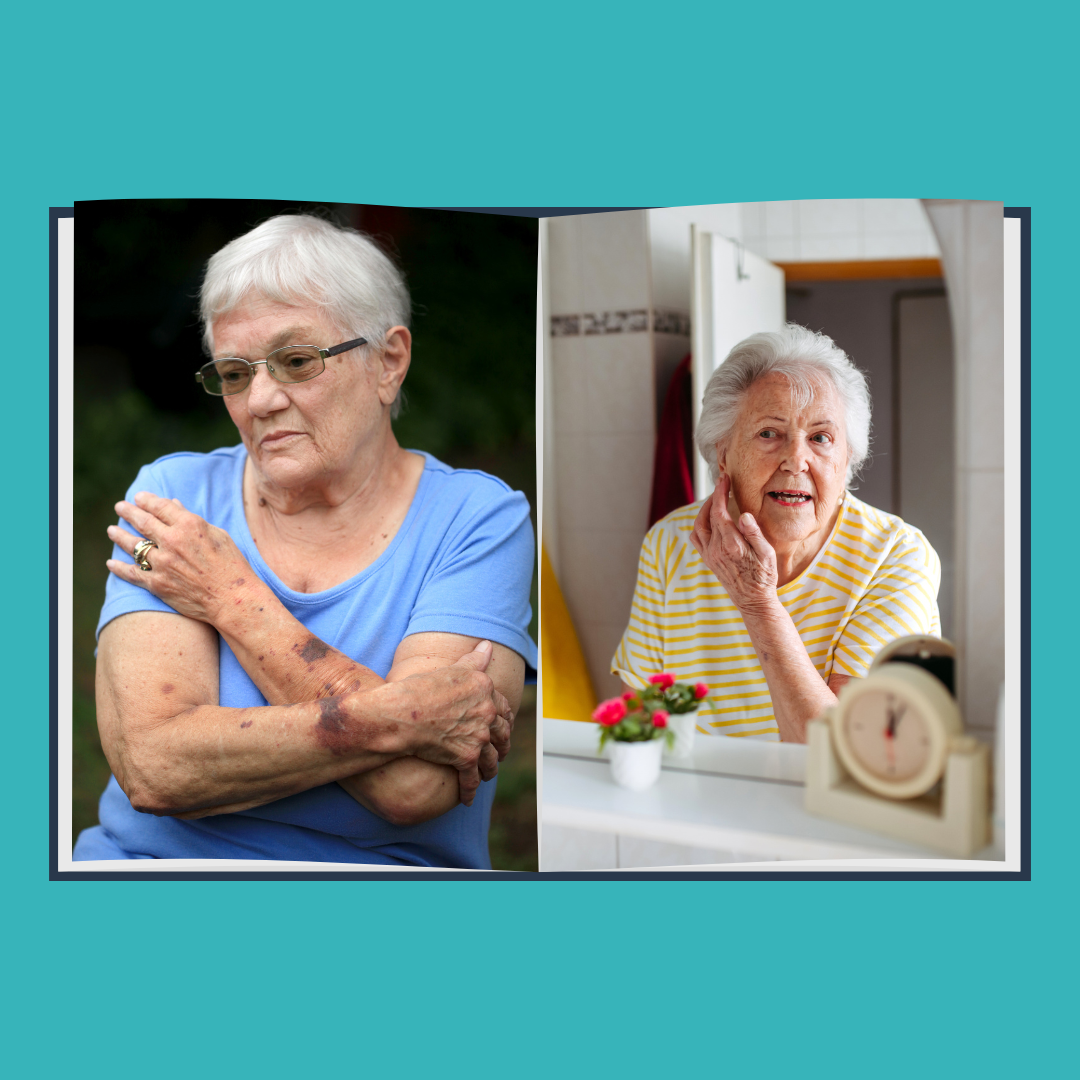
Aging skin is thinner and more fragile, making seniors more vulnerable to bruises, skin tears, and pressure injuries. Learn practical prevention tips and how in-home care helps keep older adults safe and comfortable.

Urinary tract infections in seniors often present with unusual symptoms like confusion, fatigue, and falls instead of pain. Learn the warning signs, risk factors, prevention tips, and how in-home care can help older adults stay healthy and safe.

Learn how medications may cause dizziness and increase fall risk in seniors. Discover warning signs, prevention tips, and how in-home care can support safer aging at home.

Learn the difference between heat stroke and heat exhaustion in seniors, recognize the warning signs, and discover practical summer safety tips to help aging loved ones stay healthy and independent at home.

Learn the signs of poor nutrition in seniors and how in-home care supports healthier eating habits.

Learn common medication mistakes seniors make and how caregivers help improve medication safety at home.

Learn why older men often avoid asking for help and how in-home care supports healthier, safer aging.

Learn why seniors become isolated during the summer months and how families and caregivers can help improve social connection and well-being.