
New Paragraph
December 29, 2025
Stroke Recovery in Seniors: Why In-Home Care Is Essential for Healing and Long-Term Safety
A stroke
occurs when blood flow to the brain is interrupted—leading to brain damage that affects movement, speech, memory, and daily functioning. Seniors are at the highest risk, and stroke recovery can be long and challenging.
In-home care is often one of the most effective ways to support stroke survivors because it provides consistent assistance, safety, and emotional encouragement within the comfort of their own home.
Common Effects of Stroke in Seniors
Depending on the stroke, seniors may experience:
- Paralysis or weakness on one side of the body
- Trouble speaking or understanding speech
- Difficulty walking or balancing
- Memory impairment
- Mood swings or depression
- Trouble swallowing
These challenges make independent living difficult without proper care.
How In-Home Care Supports Stroke Recovery
1. Mobility and Rehabilitative Support
Caregivers help seniors follow exercises recommended by physical and occupational therapists, ensuring safe movement and preventing injury.
2. Assistance with Activities of Daily Living (ADLs)
Stroke survivors often need support with:
- Bathing
- Dressing
- Toileting
- Eating
- Grooming
Gentle, respectful help preserves dignity.
3. Medication and Therapy Management
Caregivers help seniors stay consistent with medications, medical routines, and home therapy exercises—crucial for long-term recovery.
4. Preventing Falls and Injuries
After a stroke, balance issues are common. A caregiver provides hands-on assistance and keeps the environment safe.
5. Emotional and Cognitive Support
Caregivers provide companionship, conversation practice, mental stimulation, and reassurance—important for cognitive recovery and mental health.
Why Caregiving Is Vital During Stroke Recovery
Recovery is not just medical—it’s emotional and physical. Seniors often feel vulnerable or frustrated after losing independence. In-home caregivers help them regain confidence, maintain routines, and rebuild strength safely.
The goal is not just survival—but restoring quality of life.

Learn how osteoporosis affects seniors, why fractures are dangerous, and how nutrition, exercise, home safety, and in-home care can help protect bone health and independence.
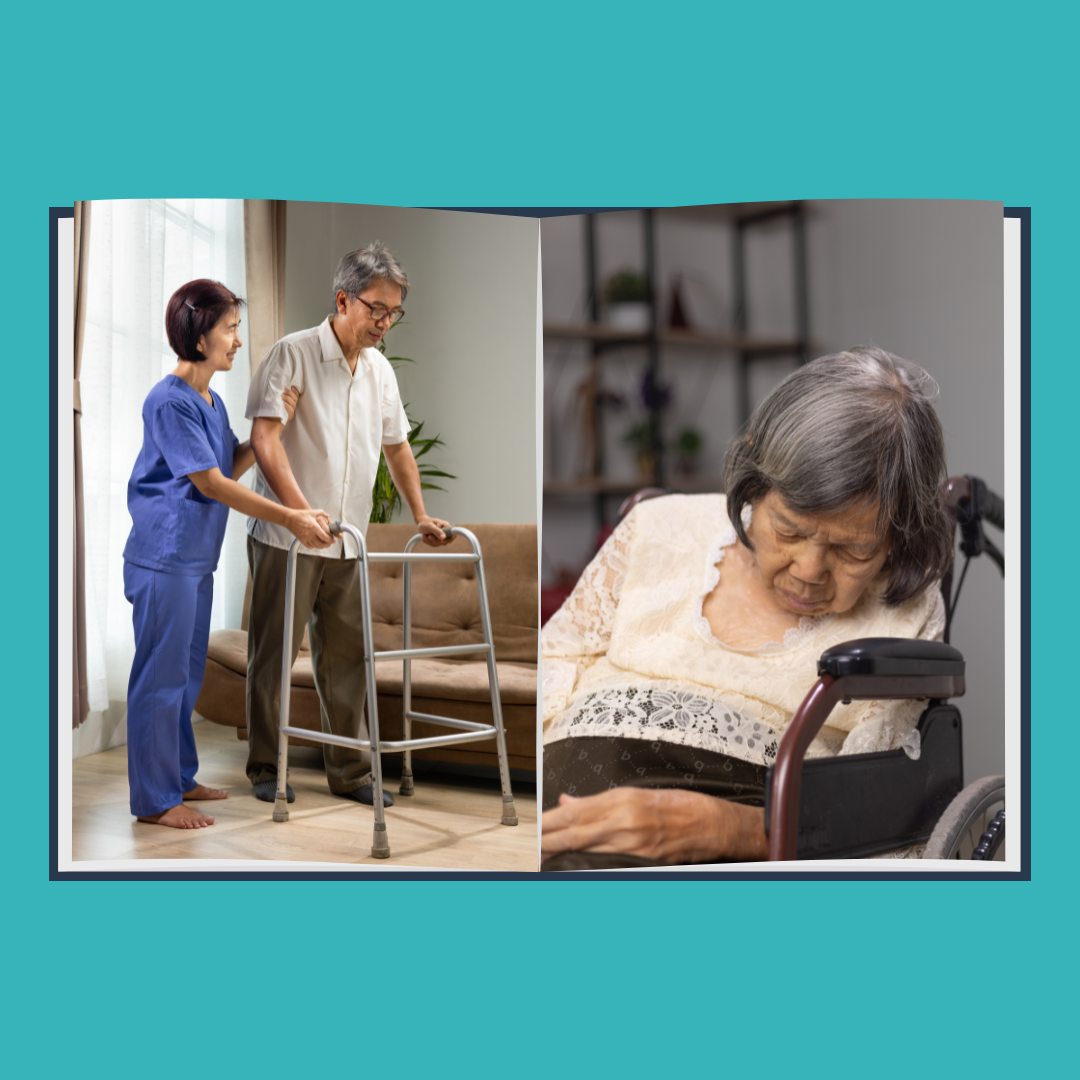
Muscle loss, known as sarcopenia, can affect a senior's strength, balance, and independence. Learn the early warning signs, causes, prevention strategies, and how in-home care can help older adults stay active and safe at home.
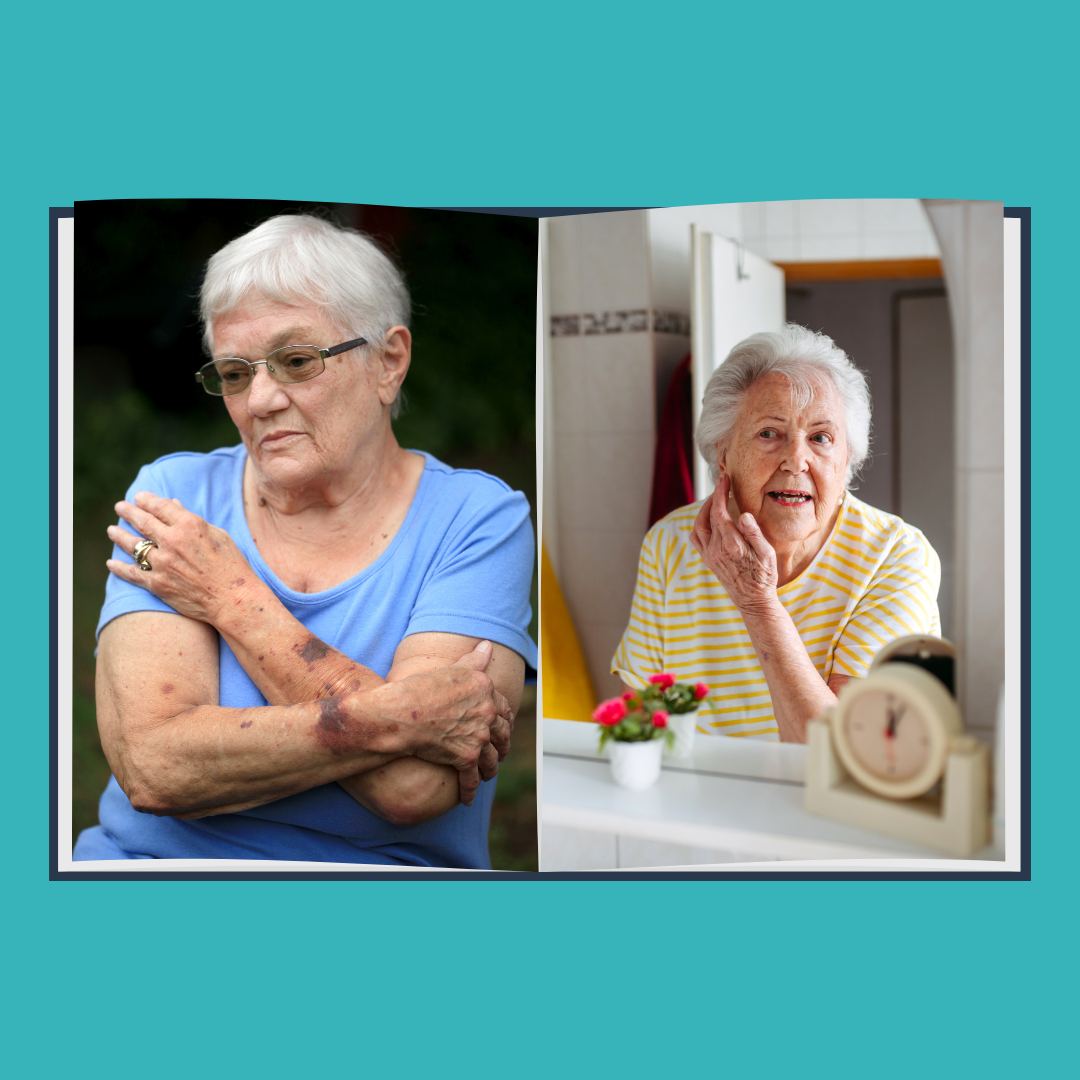
Aging skin is thinner and more fragile, making seniors more vulnerable to bruises, skin tears, and pressure injuries. Learn practical prevention tips and how in-home care helps keep older adults safe and comfortable.

Urinary tract infections in seniors often present with unusual symptoms like confusion, fatigue, and falls instead of pain. Learn the warning signs, risk factors, prevention tips, and how in-home care can help older adults stay healthy and safe.

Learn how medications may cause dizziness and increase fall risk in seniors. Discover warning signs, prevention tips, and how in-home care can support safer aging at home.

Learn the difference between heat stroke and heat exhaustion in seniors, recognize the warning signs, and discover practical summer safety tips to help aging loved ones stay healthy and independent at home.

Learn the signs of poor nutrition in seniors and how in-home care supports healthier eating habits.

Learn common medication mistakes seniors make and how caregivers help improve medication safety at home.

Learn why older men often avoid asking for help and how in-home care supports healthier, safer aging.

Learn why seniors become isolated during the summer months and how families and caregivers can help improve social connection and well-being.