
New Paragraph
September 15, 2025
Macular Degeneration and Vision Loss in Older Adults
Vision plays a vital role in independence, but age-related macular degeneration (AMD) is the leading cause of vision loss in people over 60. While it doesn’t cause complete blindness, AMD can severely impact daily activities.
What is AMD?
AMD affects the macula, the central part of the retina responsible for sharp vision. This leads to blurry or dark areas in central vision, making reading and recognizing faces difficult.
Types of AMD:
- Dry AMD (most common) – gradual thinning of the macula.
- Wet AMD – abnormal blood vessels grow under the retina, leaking blood and fluid.
Risk Factors:
- Aging (especially over 65)
- Family history of AMD
- Smoking
- High blood pressure and obesity
- Prolonged sun exposure
Symptoms:
- Blurry or fuzzy vision
- Dark or empty spots in central vision
- Distortion of straight lines
- Difficulty recognizing faces
Prevention and Management:
- Regular Eye Exams – Early detection is key.
- Lifestyle Choices – Quit smoking, eat leafy greens, fish, and antioxidant-rich foods.
- Low Vision Aids – Magnifying glasses, special lighting, and adaptive technology.
- Caregiver Support – Assisting with daily activities, transportation, and medication management.
AMD can’t always be prevented, but with early detection, treatment, and strong family support, seniors can maintain independence and quality of life.

Learn the signs of hearing loss in seniors, how it affects communication, safety and social connection, and how families and in-home caregivers can provide meaningful support.

Learn how osteoporosis affects seniors, why fractures are dangerous, and how nutrition, exercise, home safety, and in-home care can help protect bone health and independence.

Muscle loss, known as sarcopenia, can affect a senior's strength, balance, and independence. Learn the early warning signs, causes, prevention strategies, and how in-home care can help older adults stay active and safe at home.

Aging skin is thinner and more fragile, making seniors more vulnerable to bruises, skin tears, and pressure injuries. Learn practical prevention tips and how in-home care helps keep older adults safe and comfortable.

Urinary tract infections in seniors often present with unusual symptoms like confusion, fatigue, and falls instead of pain. Learn the warning signs, risk factors, prevention tips, and how in-home care can help older adults stay healthy and safe.
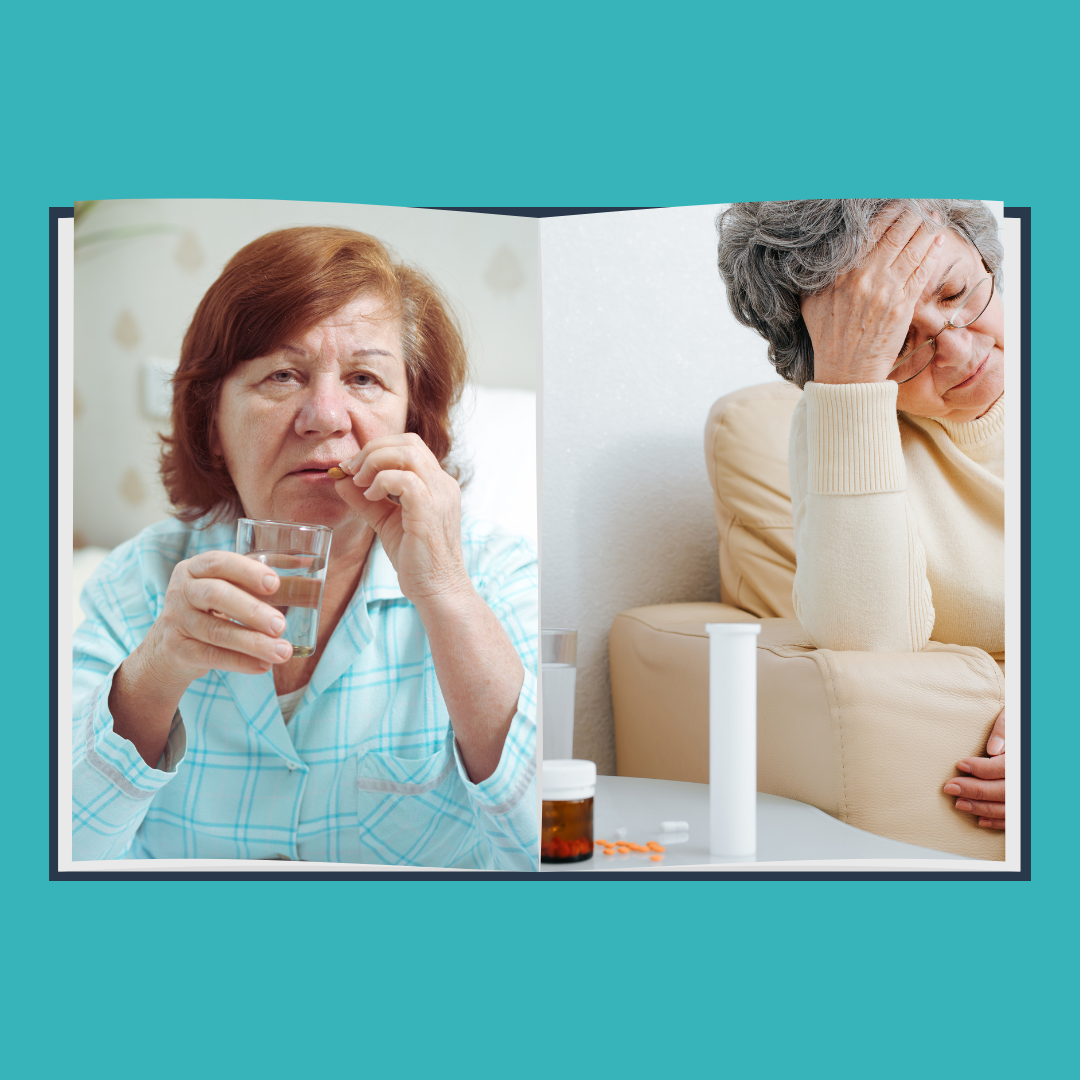
Learn how medications may cause dizziness and increase fall risk in seniors. Discover warning signs, prevention tips, and how in-home care can support safer aging at home.

Learn the difference between heat stroke and heat exhaustion in seniors, recognize the warning signs, and discover practical summer safety tips to help aging loved ones stay healthy and independent at home.

Learn the signs of poor nutrition in seniors and how in-home care supports healthier eating habits.

Learn common medication mistakes seniors make and how caregivers help improve medication safety at home.

Learn why older men often avoid asking for help and how in-home care supports healthier, safer aging.