
New Paragraph
February 3, 2025
The Importance of Love and Companionship for Seniors
Loneliness and social isolation are serious concerns among the elderly. According to the National Institute on Aging, prolonged loneliness can increase the risk of depression, anxiety, and even cognitive decline. Studies show that seniors who engage in regular social interactions experience lower levels of stress and improved emotional well-being.
Companionship plays a crucial role in mental and physical health. Engaging in conversations, participating in social activities, and maintaining friendships contribute to a senior's overall happiness. Caregivers, family members, and community programs can all play a role in ensuring that seniors feel valued and connected to the world around them.
Key Statistics:
- A study published in The Journal of Aging and Health found that seniors with strong social ties had a 50% increased chance of living longer compared to those without.
- The CDC reports that loneliness is associated with a 29% increased risk of heart disease and a 32% increased risk of stroke.
- Research from the American Journal of Geriatric Psychiatry shows that social engagement can lower the risk of dementia by up to 40%.
How to Combat Senior Loneliness:
- Encourage regular visits from family and friends.
- Promote participation in community events, clubs, and hobbies.
- Introduce technology, such as video calls, to keep in touch with distant loved ones.
- Encourage pet therapy, as animals provide comfort and companionship.
- Explore volunteering opportunities to foster a sense of purpose.
- Support intergenerational programs that connect seniors with younger generations.
- Arrange for in-home caregivers or companions who can provide meaningful interaction.
- Organize group activities such as book clubs, gardening, or cooking classes to enhance engagement.
- Create local support groups where seniors can share experiences and bond with others facing similar challenges.
The Psychological Effects of Isolation on Seniors
Loneliness can lead to serious mental and emotional health issues among seniors. Prolonged social isolation has been linked to depression, cognitive decline, and increased stress levels. Seniors who lack social interaction may experience lower self-esteem, anxiety, and a sense of hopelessness. Encouraging daily interactions and community engagement can greatly reduce these risks.
How Family Involvement Can Enhance a Senior’s Well-being
Family involvement is a key factor in a senior’s emotional and physical health. Regular visits, phone calls, and family gatherings can provide emotional support and a sense of belonging. Encouraging multi-generational interactions, such as having grandchildren spend time with grandparents, strengthens family bonds and fosters emotional well-being.
The Role of Technology in Keeping Seniors Connected
Advancements in technology make it easier for seniors to stay connected. Video calling apps, social media, and online forums allow seniors to interact with friends and family members, even if they are far away. Teaching seniors how to use these technologies can help reduce feelings of loneliness and increase their sense of connection.
How Music and Art Therapy Can Help Seniors Cope with Loneliness
Creative activities such as music and art therapy have been shown to improve mood, reduce stress, and provide an emotional outlet for seniors. Participating in these activities can also create opportunities for social interaction and engagement, further reducing feelings of loneliness.

Learn the signs of hearing loss in seniors, how it affects communication, safety and social connection, and how families and in-home caregivers can provide meaningful support.
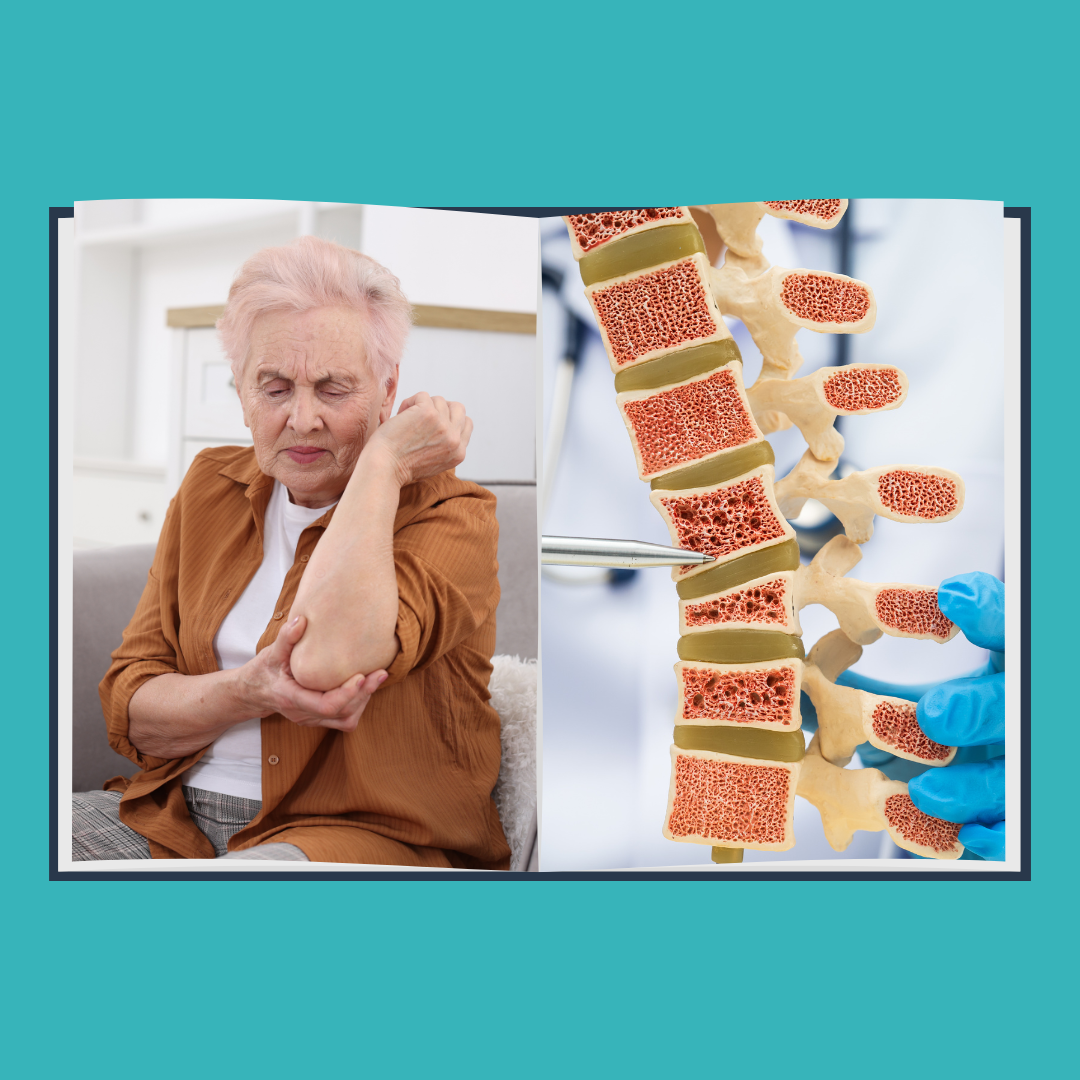
Learn how osteoporosis affects seniors, why fractures are dangerous, and how nutrition, exercise, home safety, and in-home care can help protect bone health and independence.

Muscle loss, known as sarcopenia, can affect a senior's strength, balance, and independence. Learn the early warning signs, causes, prevention strategies, and how in-home care can help older adults stay active and safe at home.

Aging skin is thinner and more fragile, making seniors more vulnerable to bruises, skin tears, and pressure injuries. Learn practical prevention tips and how in-home care helps keep older adults safe and comfortable.

Urinary tract infections in seniors often present with unusual symptoms like confusion, fatigue, and falls instead of pain. Learn the warning signs, risk factors, prevention tips, and how in-home care can help older adults stay healthy and safe.

Learn how medications may cause dizziness and increase fall risk in seniors. Discover warning signs, prevention tips, and how in-home care can support safer aging at home.

Learn the difference between heat stroke and heat exhaustion in seniors, recognize the warning signs, and discover practical summer safety tips to help aging loved ones stay healthy and independent at home.

Learn the signs of poor nutrition in seniors and how in-home care supports healthier eating habits.

Learn common medication mistakes seniors make and how caregivers help improve medication safety at home.

Learn why older men often avoid asking for help and how in-home care supports healthier, safer aging.