
New Paragraph
February 10, 2025
February is American Heart Month: How In-Home Care Supports Heart Health
February is American Heart Month, a time to raise awareness about heart disease and promote heart-healthy habits. For seniors and adults managing heart conditions, in-home care can play a vital role in maintaining cardiovascular health. At Hope And Recovery Care, we understand the importance of tailored support to help individuals live healthier, longer lives.
The Importance of Heart Health
Heart disease remains the leading cause of death in the United States, with millions of Americans affected each year. Risk factors such as high blood pressure, diabetes, obesity, and smoking contribute to cardiovascular issues. However, adopting a heart-healthy lifestyle can help prevent and manage these conditions.
How In-Home Care Supports Heart Health
In-home caregivers provide essential support that can improve heart health in several ways:
- Medication Reminders – Proper medication management is crucial for individuals with heart conditions. Caregivers ensure medications are taken on time and as prescribed.
- Nutritious Meal Preparation – A heart-healthy diet includes plenty of fruits, vegetables, lean proteins, and whole grains. Caregivers can assist in meal planning and preparation to ensure clients receive proper nutrition.
- Encouraging Physical Activity – Regular exercise is key to heart health. In-home care providers help clients stay active with light exercises, walks, or movement routines recommended by their healthcare provider.
- Monitoring Vital Signs – Keeping track of blood pressure, heart rate, and weight fluctuations helps identify potential health concerns early. Caregivers can assist with monitoring and reporting changes to healthcare professionals.
- Reducing Stress and Providing Companionship – Loneliness and stress can negatively impact heart health. In-home caregivers offer companionship, reducing feelings of isolation and promoting emotional well-being.
Tips for a Heart-Healthy Lifestyle
Even small changes can make a big difference in heart health. Here are a few practical tips:
- Eat a balanced diet rich in fiber and low in saturated fats.
- Stay active with at least 30 minutes of moderate exercise most days.
- Monitor blood pressure and cholesterol levels regularly.
- Manage stress through relaxation techniques, hobbies, or social activities.
- Avoid smoking and limit alcohol consumption.
At Hope And Recovery Care, we are dedicated to supporting our clients' heart health through personalized, compassionate in-home care services. By focusing on nutrition, exercise, medication management, and emotional well-being, we help individuals maintain a healthy heart and a fulfilling lifestyle.
If you or a loved one need in-home care assistance, contact us today to learn more about how we can help you live a heart-healthy life!
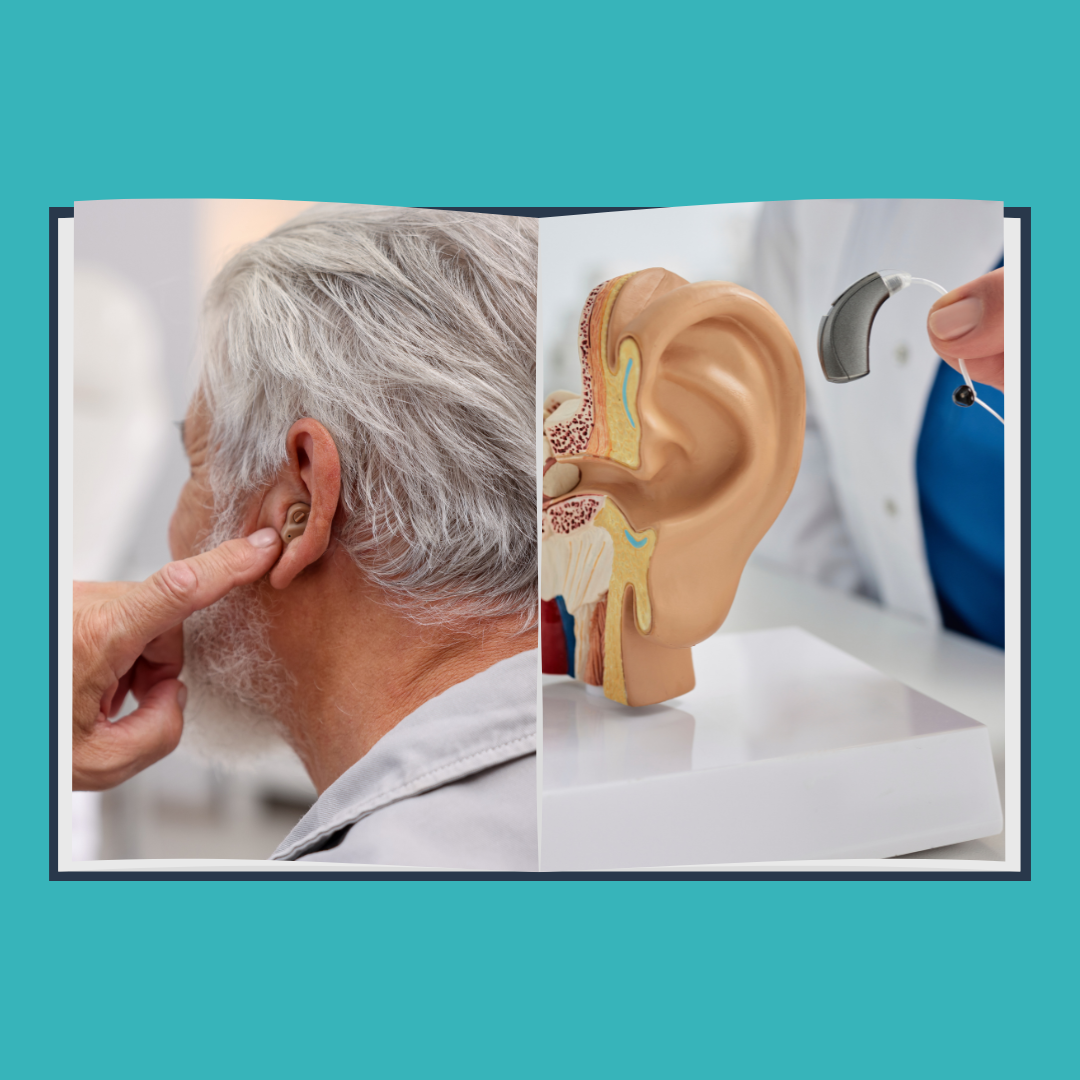
Learn the signs of hearing loss in seniors, how it affects communication, safety and social connection, and how families and in-home caregivers can provide meaningful support.

Learn how osteoporosis affects seniors, why fractures are dangerous, and how nutrition, exercise, home safety, and in-home care can help protect bone health and independence.

Muscle loss, known as sarcopenia, can affect a senior's strength, balance, and independence. Learn the early warning signs, causes, prevention strategies, and how in-home care can help older adults stay active and safe at home.

Aging skin is thinner and more fragile, making seniors more vulnerable to bruises, skin tears, and pressure injuries. Learn practical prevention tips and how in-home care helps keep older adults safe and comfortable.

Urinary tract infections in seniors often present with unusual symptoms like confusion, fatigue, and falls instead of pain. Learn the warning signs, risk factors, prevention tips, and how in-home care can help older adults stay healthy and safe.
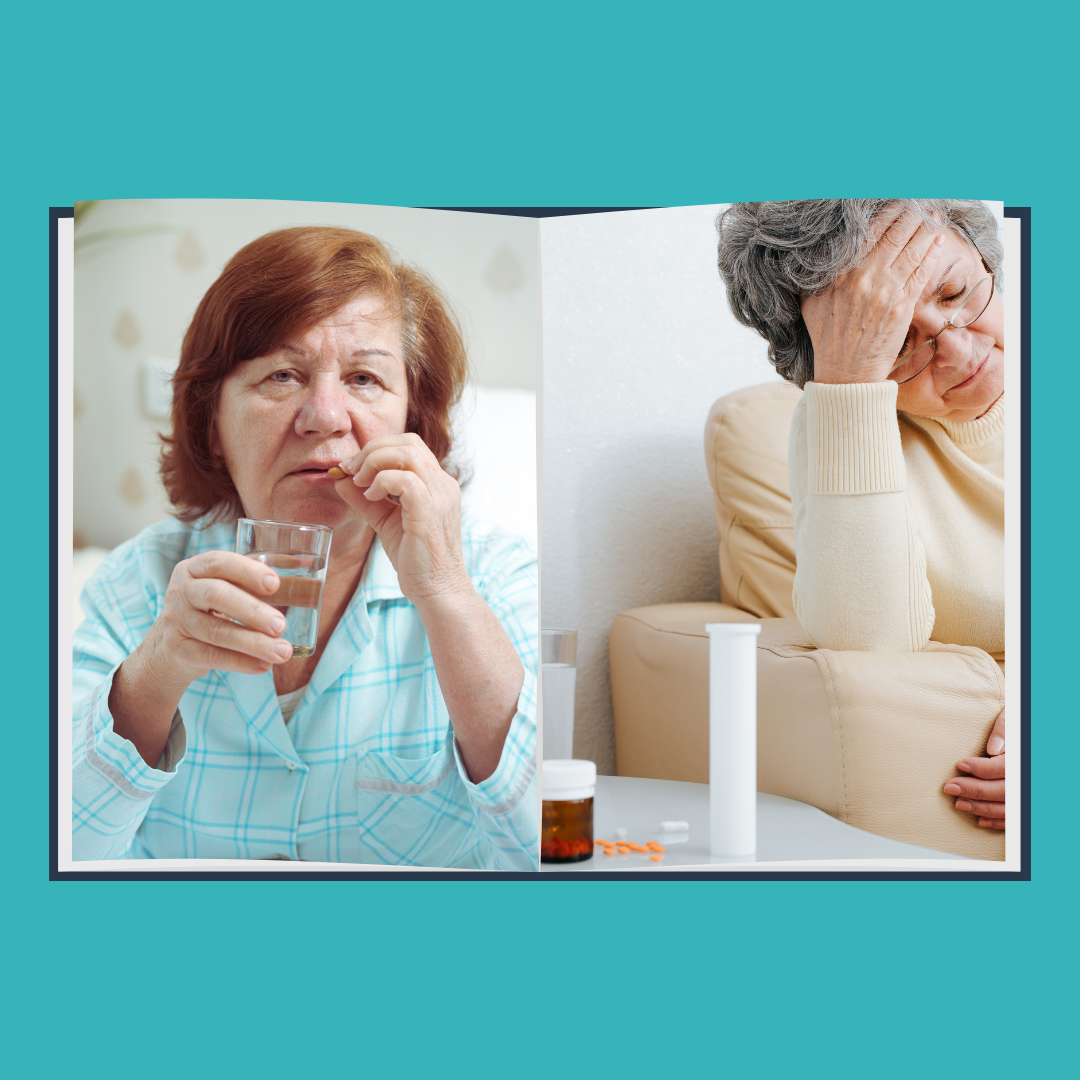
Learn how medications may cause dizziness and increase fall risk in seniors. Discover warning signs, prevention tips, and how in-home care can support safer aging at home.

Learn the difference between heat stroke and heat exhaustion in seniors, recognize the warning signs, and discover practical summer safety tips to help aging loved ones stay healthy and independent at home.

Learn the signs of poor nutrition in seniors and how in-home care supports healthier eating habits.

Learn common medication mistakes seniors make and how caregivers help improve medication safety at home.

Learn why older men often avoid asking for help and how in-home care supports healthier, safer aging.