
New Paragraph
February 17, 2025
Healthy Eating Tips for Seniors
The Importance of Nutrition for Seniors
Eating well is crucial for seniors to maintain energy, support immune function, and prevent chronic illnesses. As the body ages, metabolism slows, and nutrient absorption changes, making it important to focus on a well-balanced diet. A poor diet can lead to deficiencies, increased risk of chronic conditions such as diabetes, osteoporosis, and heart disease, and a weakened immune system. In-home caregivers assist with meal planning, grocery shopping, and meal preparation to ensure seniors receive the nutrients they need for a healthier, more active life.
Key Nutrients for Seniors
1. Protein:
Supports muscle mass and strength, which helps prevent falls and injuries. Lean meats, eggs, beans, and dairy products are excellent sources.
2. Fiber:
Aids digestion, prevents constipation, and helps regulate blood sugar levels. Whole grains, fruits, vegetables, and legumes are rich in fiber.
3. Calcium & Vitamin D:
Essential for bone health to prevent osteoporosis and fractures. Dairy products, leafy greens, and fortified foods are good sources.
4. Omega-3 Fatty Acids:
Helps reduce inflammation, supports heart health, and may improve brain function. Fatty fish, walnuts, and flaxseeds are beneficial.
5. Hydration:
Prevents dehydration, which can lead to confusion, dizziness, and fatigue. Water, herbal teas, and hydrating foods like cucumbers and watermelon are ideal choices.
How In-Home Care Promotes Healthy Eating
- Assistance with grocery shopping and meal prep, ensuring fresh, nutritious ingredients.
- Encouraging hydration by providing easy access to water and herbal teas throughout the day.
- Creating balanced meal plans that align with dietary restrictions and health conditions, such as low-sodium or diabetic-friendly diets.
- Offering companionship during meals to promote better eating habits and prevent loneliness.
- Encouraging healthy snacks, such as fruit, nuts, and yogurt, to maintain energy levels and avoid unhealthy processed foods.
- Helping seniors adapt to dietary changes due to medical conditions by preparing meals that are both nutritious and enjoyable.
A nutritious diet is essential for seniors to maintain health, energy, and independence. Hope And Recovery Care ensures that seniors receive well-balanced meals tailored to their dietary needs, promoting overall wellness and longevity.

Learn the signs of hearing loss in seniors, how it affects communication, safety and social connection, and how families and in-home caregivers can provide meaningful support.

Learn how osteoporosis affects seniors, why fractures are dangerous, and how nutrition, exercise, home safety, and in-home care can help protect bone health and independence.
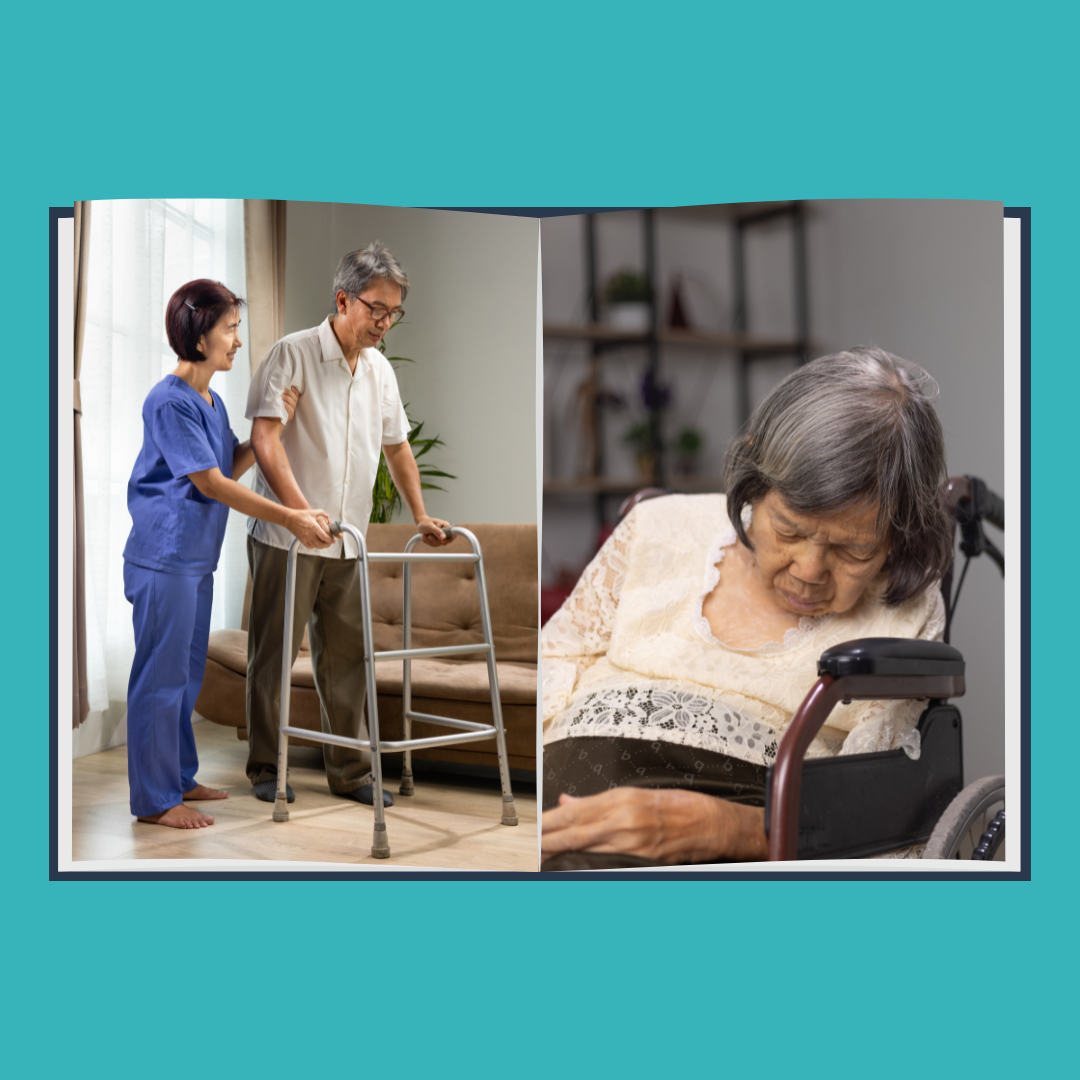
Muscle loss, known as sarcopenia, can affect a senior's strength, balance, and independence. Learn the early warning signs, causes, prevention strategies, and how in-home care can help older adults stay active and safe at home.

Aging skin is thinner and more fragile, making seniors more vulnerable to bruises, skin tears, and pressure injuries. Learn practical prevention tips and how in-home care helps keep older adults safe and comfortable.

Urinary tract infections in seniors often present with unusual symptoms like confusion, fatigue, and falls instead of pain. Learn the warning signs, risk factors, prevention tips, and how in-home care can help older adults stay healthy and safe.

Learn how medications may cause dizziness and increase fall risk in seniors. Discover warning signs, prevention tips, and how in-home care can support safer aging at home.

Learn the difference between heat stroke and heat exhaustion in seniors, recognize the warning signs, and discover practical summer safety tips to help aging loved ones stay healthy and independent at home.

Learn the signs of poor nutrition in seniors and how in-home care supports healthier eating habits.

Learn common medication mistakes seniors make and how caregivers help improve medication safety at home.

Learn why older men often avoid asking for help and how in-home care supports healthier, safer aging.