
New Paragraph
January 13, 2025
Winter Wellness for Seniors: Staying Healthy and Active Through the Cold Months
Winter brings colder weather, shorter days, and a unique set of challenges, especially for seniors. Maintaining health and staying active can be more difficult during this season, but it’s also more important than ever. With a few practical strategies, seniors can stay healthy, comfortable, and engaged throughout the winter months.
1. Preventing Winter Illnesses
Seniors are more susceptible to colds, the flu, and other illnesses during winter due to weakened immune systems. Taking proactive steps can reduce these risks.
- Get Vaccinated: Flu and pneumonia vaccines are essential for seniors, helping to reduce the severity of illnesses.
- Practice Good Hygiene: Regular handwashing and avoiding close contact with sick individuals can prevent the spread of germs.
- Boost Immunity: Include vitamin-rich foods like citrus fruits, spinach, and nuts in their diet.
2. Staying Active Indoors
Cold weather may limit outdoor activities, but there are plenty of ways to stay physically active at home:
- Gentle Exercises: Encourage chair yoga, stretching, or resistance band workouts. These exercises improve flexibility and strength.
- Incorporate Movement into Daily Tasks: Cleaning, cooking, and organizing can also count as light exercise.
- Use Online Resources: Many free workout videos tailored for seniors are available online, providing guided activities.
3. Staying Warm and Comfortable
- Maintain a Comfortable Indoor Temperature: Ensure the home stays warm, ideally between 68–74°F.
- Dress in Layers: Layering clothing traps body heat and provides flexibility to adjust to temperature changes.
- Check Heating Systems: Schedule inspections of heaters and fireplaces to ensure they’re functioning safely.
4. Supporting Mental Health
Winter blues and seasonal affective disorder (SAD) can affect anyone, especially seniors who may feel isolated.
- Encourage Social Interaction: Video calls, phone chats, or small gatherings can help combat loneliness.
- Hobbies and Activities: Engaging in crafts, puzzles, or reading can keep the mind active and reduce boredom.
- Consider Light Therapy: A light therapy box can simulate sunlight and improve mood.
Winter wellness is about proactive care. By staying mindful of their health and safety, seniors can enjoy the season while minimizing risks. Caregivers and family members play a crucial role in helping seniors remain active, healthy, and connected during the colder months.

Learn the signs of hearing loss in seniors, how it affects communication, safety and social connection, and how families and in-home caregivers can provide meaningful support.
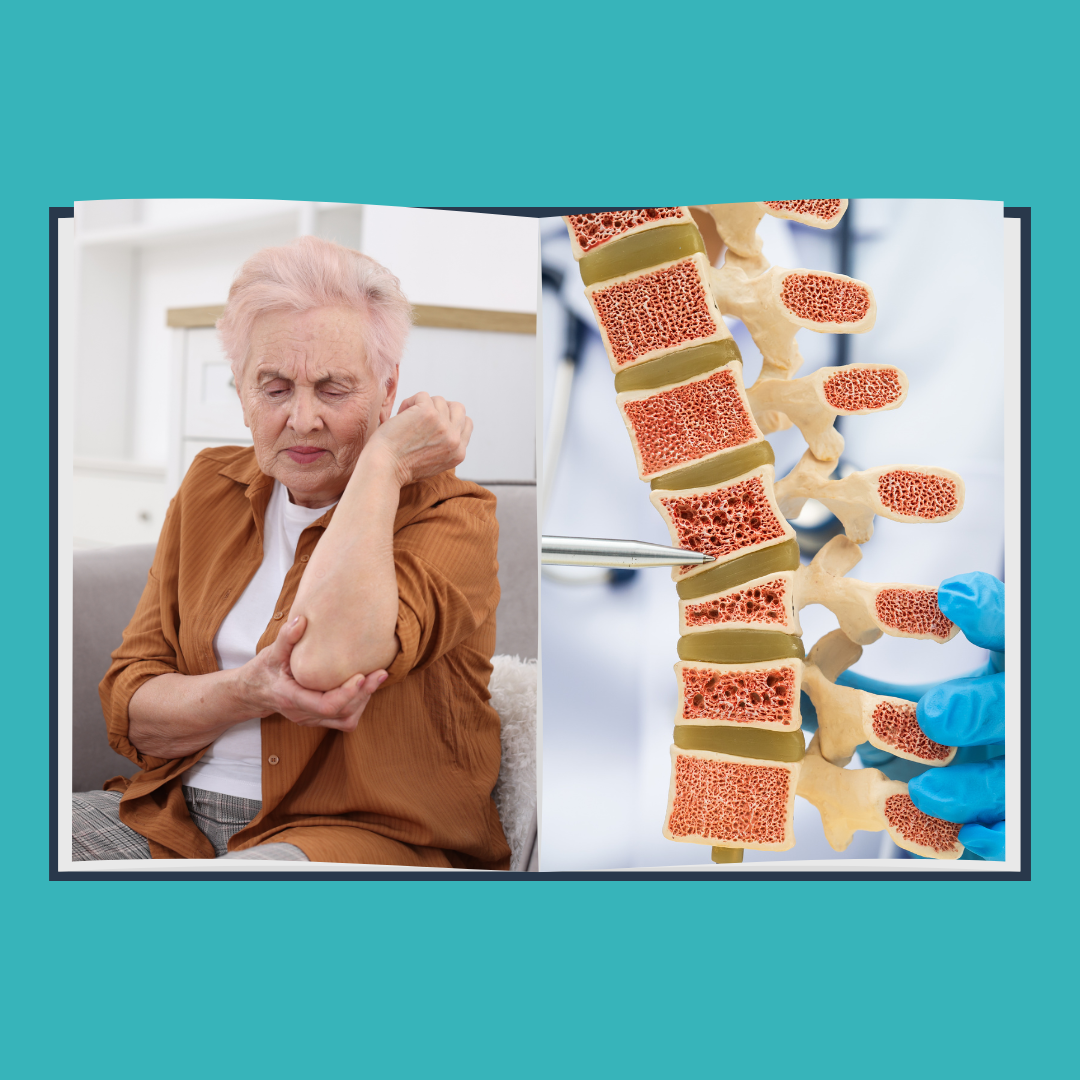
Learn how osteoporosis affects seniors, why fractures are dangerous, and how nutrition, exercise, home safety, and in-home care can help protect bone health and independence.

Muscle loss, known as sarcopenia, can affect a senior's strength, balance, and independence. Learn the early warning signs, causes, prevention strategies, and how in-home care can help older adults stay active and safe at home.

Aging skin is thinner and more fragile, making seniors more vulnerable to bruises, skin tears, and pressure injuries. Learn practical prevention tips and how in-home care helps keep older adults safe and comfortable.

Urinary tract infections in seniors often present with unusual symptoms like confusion, fatigue, and falls instead of pain. Learn the warning signs, risk factors, prevention tips, and how in-home care can help older adults stay healthy and safe.

Learn how medications may cause dizziness and increase fall risk in seniors. Discover warning signs, prevention tips, and how in-home care can support safer aging at home.

Learn the difference between heat stroke and heat exhaustion in seniors, recognize the warning signs, and discover practical summer safety tips to help aging loved ones stay healthy and independent at home.

Learn the signs of poor nutrition in seniors and how in-home care supports healthier eating habits.

Learn common medication mistakes seniors make and how caregivers help improve medication safety at home.

Learn why older men often avoid asking for help and how in-home care supports healthier, safer aging.